
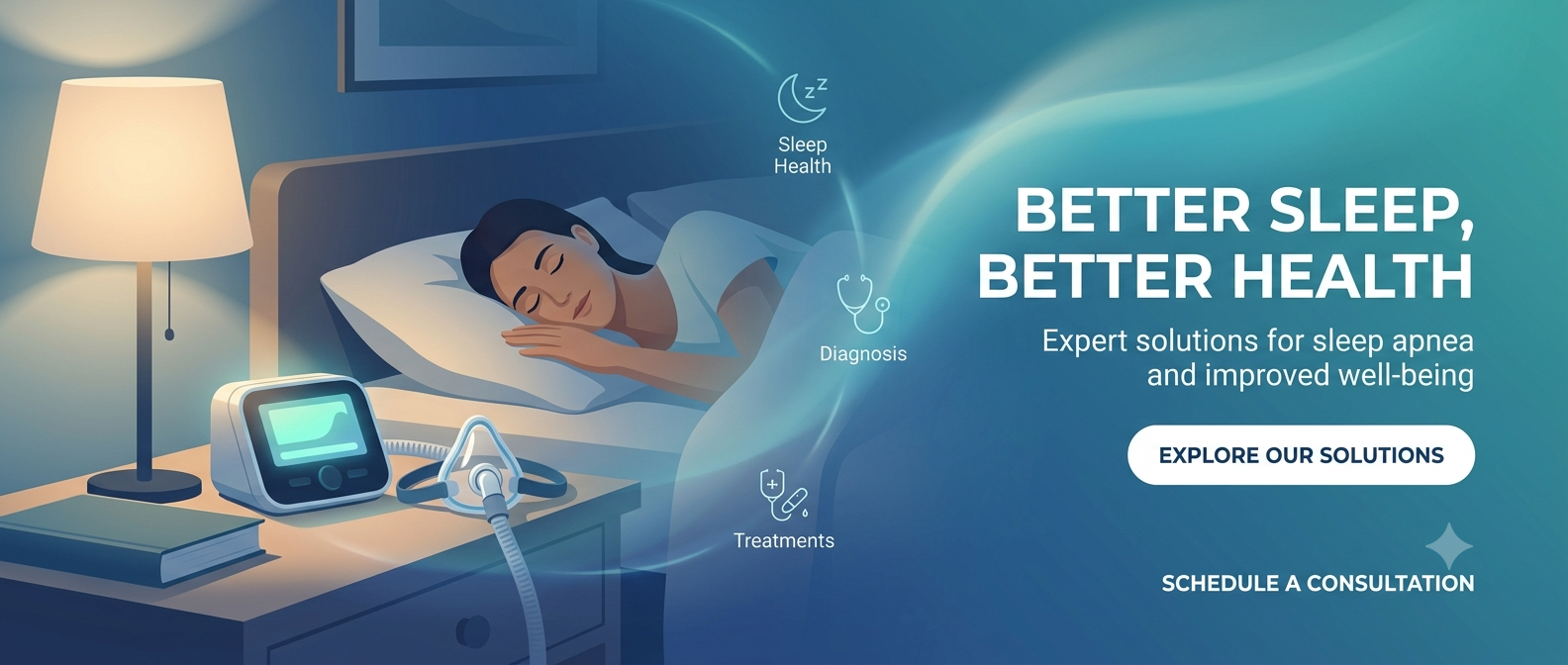
Sleep apnoea is a common but often undiagnosed sleep disorder in which breathing repeatedly stops and starts during sleep. The three types are obstructive, central and mixed sleep apnoea, with obstructive sleep apnoea (OSA) being the most common. If untreated, it can increase the risk of high blood pressure, heart disease, stroke, diabetes and accidents caused by excessive daytime sleepiness.
An evaluation by a Sleep Medicine specialist is recommended if you experience symptoms of sleep apnoea. An overnight sleep study (polysomnography) helps diagnose the condition and determine its severity.
Treatment depends on the severity of the condition and may include weight management, regular exercise, avoiding alcohol and smoking, and sleeping on your side. Continuous Positive Airway Pressure (CPAP) therapy is a standard treatment for obstructive sleep apnoea. Selected patients may benefit from oral appliances or surgery following specialist evaluation.
Early diagnosis and appropriate treatment can improve sleep quality and help reduce associated health risks.

 View Doctors


