
Archive for 2026

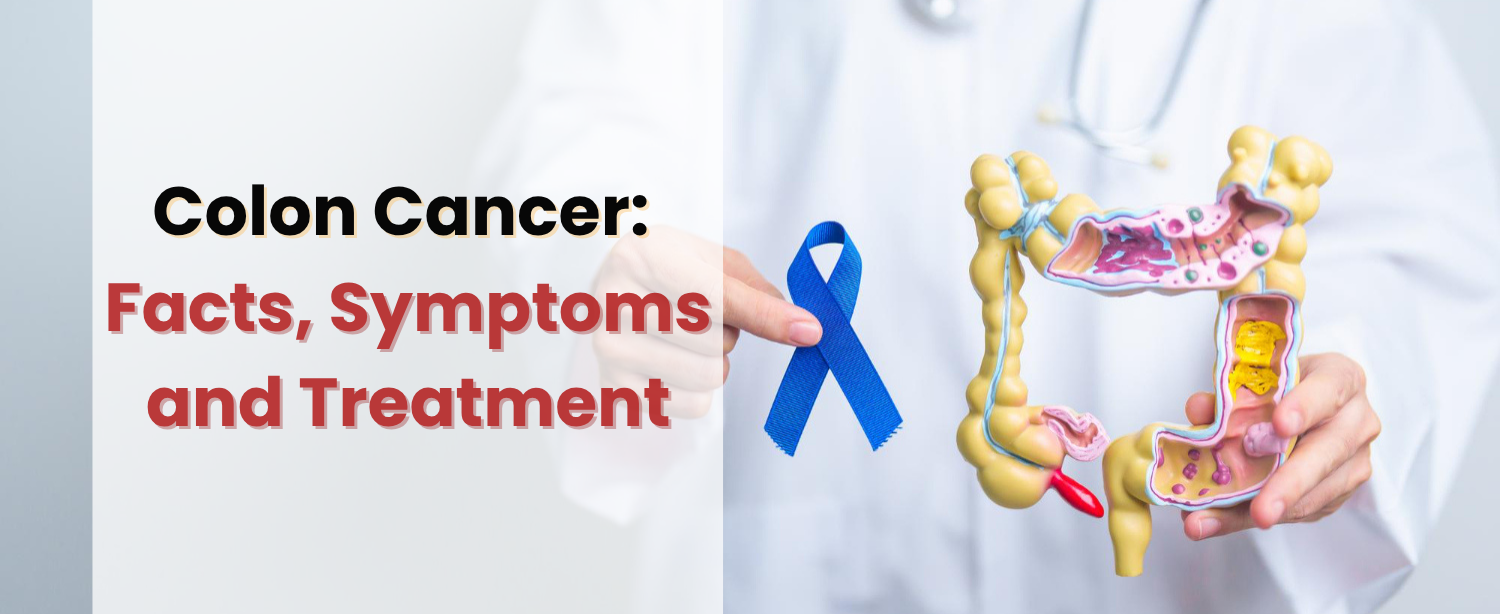
Colon Cancer: Facts, Symptoms and Treatment

Tuesday, March 10th, 2026

Colon cancer begins silently in the large intestine, often evading notice until symptoms emerge. For individuals researching colon cancer symptoms, family members supporting loved ones, or those weighing treatment paths, grasping what colon cancer is clarifies vital health choices. Early awareness of colon cancer causes and options like colon cancer treatment transforms outcomes through timely action, emphasising the role of screening and lifestyle in managing this prevalent condition.

What is Colon Cancer?

Colon cancer, also called colorectal cancer, develops from polyps – precancerous growths- in the colon’s inner lining, transforming over the years into invasive tumours. These growths disrupt the colon’s critical role in water absorption, waste compaction, and electrolyte balance, potentially leading to blockages or perforations if unchecked. Most colon cancer arises from adenocarcinomas, originating in mucus-producing glandular cells that line the intestinal wall, making it the most common type encountered in clinical practice.

What is colon cancer extends beyond the colon itself, as rectal involvement often accompanies cases, collectively termed colorectal cancer. The disease progresses silently in early phases, with many patients unaware until colon cancer symptoms prompt investigation. Screening programs have significantly reduced incidence by identifying and removing polyps before they become malignant, underscoring why understanding colon cancer remains essential for at-risk populations across all ages.

Risk factors influence colon cancer development variably, with lifestyle playing a pivotal role alongside genetics. Adenocarcinomas account for over 95% of cases, while rarer subtypes like neuroendocrine tumours arise from hormone-producing cells. Awareness of what colon cancer is empowers proactive health discussions, particularly for those with family histories or inflammatory bowel conditions.

Colon Cancer Causes and Risk Factors

Colon cancer causes stem from genetic mutations in colon cells, triggered by chronic inflammation or carcinogen exposure, accumulating over time to drive malignant transformation. While exact mechanisms vary, multiple colon cancer causes contribute cumulatively, emphasising prevention through modifiable behaviours that reduce cellular stress and promote repair. Key contributors include:

  • Diet high in red/processed meats: Harmful compounds like heterocyclic amines form during high-heat cooking, while nitrates in preserved meats damage DNA directly, acting as the primary cause of colon cancer. Balancing intake with fibre-rich fruits, vegetables, and whole grains helps bind toxins and speed transit, countering these colon cancer causes effectively over time.
  • Low-fibre diets and sedentary lifestyle: Insufficient fibre slows stool transit, allowing bacterial toxins like secondary bile acids to irritate the colon lining excessively, promoting colon cancer causes. Incorporating daily physical activity, such as brisk walking, and plant-based meals accelerate elimination and fosters a healthier gut microbiome, directly addressing these modifiable causes of colon cancer.
  • Smoking and heavy alcohol: Tobacco carcinogens and alcohol metabolites inflame the colonic mucosa, listed among established colon cancer causes that accelerate polyp formation. Quitting smoking halts further exposure, while limiting alcohol to moderate levels allows mucosal recovery, steadily reducing the risk of cumulative colon cancer causes.
  • Chronic inflammatory bowel diseases: Conditions like ulcerative colitis or Crohn’s disease cause relentless cell turnover and scarring, heightening colon cancer risk through dysplasia-prone inflammation. Regular surveillance colonoscopies in affected patients detect precancerous changes early, mitigating progression linked to these chronic colon cancer causes.
  • Genetic predispositions: Inherited syndromes such as Lynch syndrome (mismatch repair deficiency) or familial adenomatous polyposis (FAP) drive hundreds of polyps, accounting for familial colon cancer causes that necessitate early and frequent screening. Genetic counseling identifies carriers, enabling tailored surveillance to interrupt hereditary colon cancer causes.
  • Age and obesity: Risks climb post-50 due to telomere shortening and accumulated mutations, while visceral fat alters insulin and hormone levels, fueling growth as key colon cancer causes. Maintaining healthy weight through diet and exercise preserves hormonal balance, countering age-related colon cancer causes.

Addressing colon cancer through sustained lifestyle adjustments and vigilant screening proves a powerful strategy for risk reduction.

Symptoms of Colon Cancer

Colon cancer symptoms often appear late, mimicking common digestive woes like IBS or hemorrhoids, but vigilance spots subtle changes early when intervention proves most effective. Symptoms of colon cancer vary by tumor location, right-side lesions cause occult bleeding and anemia, while left-side ones obstruct, producing narrower stools. Common indicators include:

  • Changes in bowel habits: Persistent diarrhea alternating with constipation, or pencil-thin stools signal partial blockages from colon cancer growths pressing on the lumen. Patients often feel a sense of incomplete emptying despite straining, a frustrating symptom of colon cancer that disrupts daily routines and warrants prompt investigation.
  • Rectal bleeding or blood in stool: Bright red blood coats stool or toilet paper from distal colon cancer, while dark, tarry stools indicate proximal tumor erosion and upper GI iron loss. This classic colon cancer symptom leads to anemia-related fatigue, emphasizing the need to differentiate from benign hemorrhoids through evaluation.
  • Abdominal discomfort: Cramping, bloating, or gnawing pain arises from gas trapped behind tumors or direct pressure on peritoneal nerves. Right-side colon cancer symptoms manifest as vague fullness or heaviness, often dismissed initially but progressing to sharper pains as colon cancer advances.
  • Unexplained weight loss: Progressive appetite suppression from cytokine release or malabsorption of nutrients leads to unintentional drops, with cachexia marking advanced symptoms of colon cancer. Patients notice looser clothing and reduced energy, signalling systemic effects beyond local obstruction.
  • Fatigue and weakness: Chronic occult bleeding depletes iron stores, causing profound anaemia that saps vitality, a subtle yet pervasive symptom of colon cancer. Shortness of breath on exertion accompanies this colon cancer symptom, prompting medical attention when rest fails to relieve.
  • A feeling of bowel obstruction: Sudden urgency or tenesmus without productive bowel movements points to luminal narrowing by colon cancer. Severe cases present with complete obstruction, requiring urgent intervention to relieve this acute symptom of colon cancer.

Colon cancer symptoms that persist for more than two weeks warrant a thorough evaluation to rule out malignancy.

How is Colon Cancer Diagnosed?

Colon cancer diagnosis combines proactive screening and confirmatory tests triggered by colon cancer symptoms, ensuring early detection of precursors or localised disease. Colonoscopy provides direct visualisation and intervention; adjunctive tools refine staging and molecular profiling. Methods include:

  • Colonoscopy: A flexible scope examines the entire colon under sedation, allowing biopsy of suspicious polyps or tumors to confirm what is colon cancer pathologically. As the gold standard, it detects over 95% of lesions, enabling polypectomy that prevents progression to invasive colon cancer.
  • Stool-based tests: Faecal immunochemical test (FIT) or guaiac-based FOBT sensitively flag hidden blood from colon cancer, non-invasively prompting diagnostic colonoscopy. Annual use in average-risk individuals effectively bridges gaps between invasive screenings.
  • Imaging: Virtual CT colonography offers 3D colonic mapping without sedation, ideal for incomplete scopes, while MRI assesses rectal involvement in colon cancer. These delineate tumour extent non-invasively, aiding surgical planning.
  • Blood tests: Carcinoembryonic antigen (CEA) tracks therapeutic response and recurrence; complete blood count reveals anaemia from chronic colon cancer bleed. Liver function tests screen for metastasis.
  • Biopsy and endoscopy: Microscopic analysis confirms adenocarcinoma histology, while immunohistochemistry identifies MSI status, guiding colon cancer treatment. Endoscopic ultrasound stages rectal colon cancer precisely.

Laboratory medicine accurately analyses samples, providing essential data that guides multidisciplinary care.

Colon Cancer Stages

Colon cancer stages gauge the extent via the TNM system (Tumour invasion, Node involvement, Metastasis), directing colon cancer treatment from curative to palliative:

  • Stage 0: Carcinoma in situ confined to the mucosa; endoscopic polypectomy cures without further intervention.
  • Stage I: Invades submucosa or muscularis but spares nodes; laparoscopic colectomy achieves excellent local control.
  • Stage II: Penetrates serosa without nodes; adjuvant chemotherapy is considered for high-risk features like perforation.
  • Stage III: Regional lymph node metastasis; neoadjuvant chemoradiation optimises resectability prior to surgery.
  • Stage IV: Distant spread to liver or lungs; multimodal therapy targets metastases surgically or systemically.

Early-stage colon cancer yields optimal control through localised approaches.

Colon Cancer Treatment Options

Colon cancer treatment personalises by stage, performance status, and molecular profile, integrating surgery with systemic modalities:

  • Surgery: Gastro surgeon performs segmental colectomy or hemicolectomy to remove the tumour with clear margins and lymph nodes; minimally invasive robotic techniques preserve bowel function and speed recovery in early colorectal cancer treatment​.
  • Radiation treatment for cancer: Neoadjuvant for rectal colon cancer downsizes tumours, improving sphincter preservation rates pre-surgery.
  • Chemotherapy treatment: FOLFOX or CAPOX regimens; adjuvant post-resection to prevent recurrence; irinotecan lines for metastatic control.
  • Immunotherapy for cancer: Pembrolizumab excels in MSI-high/dMMR colon cancer by harnessing immune checkpoint inhibition.
  • Targeted therapy: Bevacizumab (anti-VEGF) or cetuximab (anti-EGFR) synergises with chemo for RAS wild-type advanced disease.

The cancer treatment centre coordinates comprehensive protocols.

Prevention of Colon Cancer

Preventing colon cancer targets modifiable colon cancer causes proactively, blending screening with lifestyle fortification:

  • Regular screenings: Colonoscopy every 10 years from age 45 removes precancerous polyps, averting colon cancer in high-risk groups sooner.
  • Healthy diet: High-fibre intake from fruits, vegetables, and legumes binds carcinogens, while limiting red meat intake effectively curbs colon cancer.
  • Exercise and weight control: 150+ minutes of moderate activity weekly help regulate insulin and inflammation, countering obesity-driven causes of colon cancer.
  • No smoking/alcohol moderation: Cessation eliminates tobacco mutagens; <14 units weekly minimises ethanol’s promotional effects on colon cancer causes.
  • Aspirin (select cases): Low-dose daily prophylaxis benefits high-risk patients with cardiovascular comorbidity, under medical guidance.

Laboratory medicine accurately analyses samples and provides essential data that guide multidisciplinary care.

Conclusion

Colon cancer develops from polyps due to causes like poor diet and inflammation, leading to symptoms from bleeding to obstruction. Staged 0-IV, tailored colon cancer treatment includes surgery, radiation, and immunotherapy.

Consult a cancer specialist doctor at our cancer treatment centre to discuss colon cancer symptoms and schedule prompt colonoscopy, early action saves lives and preserves quality.

Frequently Asked Questions 

What are the early signs of colon cancer?

  • Blood in stool, changes in bowel habits, bloating, and anaemia signal early colon cancer symptoms. Consult a specialist promptly for evaluation.

Can colon cancer be prevented?

  • Yes, regular screenings remove polyps while exercise, healthy diet, and avoiding smoking curb colon cancer effectively.

What is the survival rate for colon cancer?

  • Early-stage colon cancer offers excellent prognosis, often exceeding 90% survival, early detection with specialist care makes all the difference.

Is colon cancer hereditary?

  • Familial syndromes like Lynch syndrome contribute in some cases, but most develop from sporadic colon cancer causes unrelated to family history.

How is colon cancer treated?

  • Surgery removes the tumour, supported by chemotherapy and radiation therapy when needed for comprehensive cancer treatment.

Radiation Therapy for Cancer: How Does It Work and When Is It Recommended?

Thursday, March 5th, 2026

Introduction

Among the most powerful tools available in modern oncology, radiation therapy has helped millions of cancer patients around the world achieve remission, manage symptoms, and improve quality of life. Yet for many patients and families hearing the word “radiotherapy” for the first time, it raises more questions than answers.

What exactly does radiation therapy do to cancer cells? How is it different from chemotherapy? What does the experience actually involve? At Kokilaben Dhirubhai Ambani Hospital, our department of radiation oncology believes that informed patients are empowered patients. 

What Is Radiation Therapy?

Radiation therapy, also known as radiotherapy, is a cancer treatment that uses high-energy radiation to damage the DNA of cancer cells, preventing them from dividing and ultimately causing them to die. It is one of the three primary modalities of cancer treatment alongside surgery and chemotherapy, used in more than half of all cancer cases at some point during treatment.

Unlike systemic treatments such as chemotherapy, radiation therapy for cancer is primarily a local treatment, precisely targeting the area where cancer is present while preserving surrounding healthy tissue as much as possible.

How Radiation Therapy Works

Understanding how radiation therapy for cancer functions at a cellular level helps patients appreciate both its effectiveness and its rationale:

  • High-energy radiation damages the DNA within cancer cells. DNA is the instruction set that tells cells when to grow, divide, and function
  • When DNA is sufficiently damaged, cancer cells lose the ability to divide and reproduce. They may die immediately or become incapable of further replication over time
  • Damaged cancer cells are gradually broken down and cleared by the body’s natural processes, a process that continues for weeks or even months after treatment ends
  • This is why the full effect of radiation therapy is not immediate. Treatment is typically delivered in multiple sessions over days or weeks to accumulate sufficient damage to cancer cells while allowing healthy tissue to recover between sessions
  • The ratio of damage between cancer cells and healthy cells is managed through precise dose planning, fractionation (dividing total dose into multiple smaller sessions), and advanced imaging guidance

Types of Radiation Therapy

The types of radiation therapy available at Kokilaben Dhirubhai Ambani Hospital span the full range of modern radiotherapy techniques, selected based on cancer type, tumour location, size, and patient-specific factors:

  • External Beam Radiation Therapy (EBRT) — The most common form of radiation therapy. A machine positioned outside the body directs focused beams of high-energy radiation at the tumour. The machine does not touch the patient and can rotate around the body to deliver radiation from multiple angles
  • Intensity-Modulated Radiation Therapy (IMRT) — An advanced form of EBRT that uses multiple beams of varying intensity, allowing a higher dose to be delivered to the tumour while reducing exposure to surrounding healthy tissue. Widely used in head and neck, prostate, and pelvic cancers
  • Image-Guided Radiation Therapy (IGRT) — Combines radiation delivery with real-time imaging to account for any movement of the tumour between sessions, improving precision and reducing the margin of healthy tissue irradiated
  • Stereotactic Radiosurgery (SRS) and Stereotactic Body Radiation Therapy (SBRT) — Deliver very high doses of radiation in one or a small number of precisely targeted sessions. Used for brain tumours, spinal lesions, lung, liver, and other sites where extreme precision is required
  • Volumetric Modulated Arc Therapy (VMAT) — A form of IMRT where the radiation machine rotates continuously around the patient, delivering treatment faster and with greater efficiency while maintaining precision
  • Brachytherapy (Internal Radiation Therapy) — A radioactive source is placed directly inside or adjacent to the tumour, delivering a concentrated dose from within. Commonly used in cervical, prostate, breast, and endometrial cancers
  • Proton Therapy — Uses protons rather than X-rays to deliver radiation. Protons deposit the majority of their energy at the tumour site with minimal exit dose, reducing radiation to surrounding structures. Particularly beneficial in paediatric cancers and tumours near critical structures
  • Systemic Radiation Therapy — Uses radioactive substances administered orally or intravenously that travel to specific cancer cells throughout the body. Radioiodine for thyroid cancer and radiolabelled antibodies for certain blood cancers are established examples

Radiation Therapy Procedure

The radiation therapy procedure at Kokilaben Dhirubhai Ambani Hospital follows a structured, carefully planned pathway:

Step 1 – Consultation and Assessment

  • Your radiation oncologist reviews your diagnosis, imaging, pathology, and overall health to determine whether radiation therapy is appropriate and which type is most suitable

Step 2 – Simulation and Planning

  • A dedicated simulation session is conducted, usually involving a CT scan and sometimes MRI or PET imaging, with the patient positioned exactly as they will be during treatment
  • Immobilisation devices such as custom moulds or masks are created to ensure consistent positioning across all sessions
  • The imaging data is transferred to a treatment planning system where the radiation oncologist and medical physicist design a precise dose plan targeting the tumour

Step 3 – Treatment Delivery

  • Treatment sessions are typically short, often 15 to 30 minutes, and conducted daily, five days a week, over a course of several weeks depending on the protocol
  • Each session begins with imaging verification to confirm precise positioning before radiation is delivered
  • The radiation itself is painless. Patients lie still on the treatment table while the machine delivers the planned dose

Step 4 – Monitoring and Review

  • Regular clinical reviews are conducted throughout the treatment course to assess response, manage side effects, and adjust the plan if needed
  • Blood tests, imaging, and clinical assessments are scheduled at appropriate intervals

Step 5 – Follow-Up Care

  • After completing the radiation therapy procedure, patients enter a structured follow-up programme including imaging and clinical assessment to monitor treatment response and detect any recurrence early

When Is Radiation Therapy Recommended?

Cancer treatment radiation therapy is recommended in a range of clinical contexts, determined by the cancer department in collaboration with our multidisciplinary tumour board:

  • As primary treatment — For cancers where radiation therapy alone can achieve cure or complete local control, such as early-stage laryngeal, cervical, prostate, and certain head and neck cancers
  • Alongside surgery — Before surgery (neoadjuvant) to shrink a tumour and improve resectability, or after surgery (adjuvant) to eliminate residual cancer cells and reduce the risk of local recurrence
  • In combination with chemotherapy — Concurrent chemoradiation enhances the effectiveness of both modalities for cancers including cervical, head and neck, oesophageal, and rectal cancers
  • For palliation — To relieve symptoms such as pain from bone metastases, bleeding, airway obstruction, or neurological symptoms caused by brain or spinal metastases, even when cure is not the goal
  • As salvage treatment — For localised recurrence after prior surgery or systemic therapy
  • For haematological cancers — Total body irradiation and targeted nodal radiation play a role in the treatment of certain lymphomas and leukaemias

Benefits of Radiation Therapy

  • Local tumour control : Effective at eliminating cancer cells within a defined treatment area, often achieving complete local response
  • Organ preservation : Allows treatment of tumours in critical locations, such as the larynx, bladder, or rectum, without surgical removal, preserving function and quality of life
  • Non-invasive delivery : External beam radiation therapy requires no incisions, anaesthesia, or hospitalisation in most cases
  • Combination synergy : Enhances the effectiveness of chemotherapy and immunotherapy when used concurrently
  • Palliative benefit : Provides meaningful and often rapid relief from pain, bleeding, and other cancer-related symptoms
  • Technological precision : Modern radiation therapy techniques spare healthy tissue to a degree that was not achievable with earlier technology, reducing long-term side effects

Preparing for Radiation Therapy

Practical steps to prepare for a course of radiation therapy:

  • Attend all pre-treatment appointments: Simulation, planning, and verification sessions are essential steps that directly affect the accuracy of your treatment
  • Inform your team of all medications and supplements: Some may interact with radiation or affect treatment tolerability
  • Maintain good nutrition: Adequate caloric and protein intake supports tissue repair and reduces fatigue. Ask for a referral to our oncology dietitian before treatment begins
  • Protect the treatment area: Avoid applying creams, lotions, or deodorants to the treatment area unless specifically approved by your radiation oncologist
  • Arrange transport and support: Daily sessions can be fatiguing. Having a consistent support person for transport and daily assistance is advisable, particularly in the later weeks of treatment
  • Prepare your skin: Wear loose, soft clothing over the treatment area to reduce irritation. Avoid sun exposure to treated skin
  • Stay hydrated: Adequate hydration supports overall health and helps manage certain side effects, particularly during pelvic radiation treatment
  • Ask questions: Our radiation oncology team encourages patients to ask about every aspect of their treatment plan. Understanding the process reduces anxiety and improves treatment adherence

Ready to learn more about radiation therapy at Kokilaben Dhirubhai Ambani Hospital? Contact our department of radiation oncology or speak with a specialist at our cancer department today.

Conclusion

Radiation therapy for cancer has evolved into one of the most precise and versatile tools in modern oncology, used alone, alongside surgery, or in combination with systemic treatments across stages and tumour types. At Kokilaben Dhirubhai Ambani Hospital, our radiation oncology team delivers expert, technology-driven care at every step. If you or a family member has been advised to consider radiation therapy, we are here to guide you with clarity and confidence.

Frequently Asked Questions

Is radiation therapy painful? 

Radiation therapy itself is not painful, it feels similar to having an X-ray. Some side effects during the treatment course, such as skin irritation, may cause discomfort, but these are actively managed by our clinical team.

How long does radiation therapy treatment last? 

Most standard courses last three to seven weeks, with daily sessions five days per week. Some protocols, such as stereotactic treatments, can be completed in one to five sessions. Duration depends on cancer type, stage, and the recommended protocol.

Is radiation therapy safe? 

Yes. Modern radiation therapy uses advanced imaging, computer-guided planning, and precision delivery to maximise tumour dose while protecting surrounding healthy tissue. All treatment plans are reviewed and approved before delivery begins.

Does radiation therapy affect healthy cells? 

Some healthy cells in the treatment area may receive low doses of radiation. However, healthy cells repair radiation damage more effectively than cancer cells, and fractionated delivery gives healthy tissue time to recover between sessions.

How many sessions of radiation therapy are usually required? 

Standard courses typically involve 25 to 35 daily fractions over five to seven weeks. Hypofractionated or stereotactic protocols may require significantly fewer sessions. Your radiation oncologist will explain your specific schedule during the planning phase.

Tumour vs Cancer: What’s the Difference?

Wednesday, March 4th, 2026

A lump discovered during a routine check or a persistent growth raises immediate concerns about tumour vs cancer. For patients, families, and caregivers navigating health decisions, distinguishing between these terms clarifies next steps and reduces uncertainty. Understanding the difference between tumour and cancer empowers informed discussions with medical teams and supports proactive care.

What Is a Tumour?
A tumour is an abnormal growth or mass of tissue, also called a lump, lesion, or neoplasm, in which cells grow uncontrollably within solid tissues such as organs, muscles, or bone. Tumours are divided into benign (non-cancerous) and malignant (cancerous), with benign ones remaining localised and not spreading. They form when cells divide rapidly or fail to die normally, accumulating into masses that vary in size and location throughout the body.​

Benign tumours are generally harmless, grow slowly, and don’t spread, causing issues only if large enough to press on structures like nerves. Healthcare providers detect them through physical exams or scans, and the term’ tumour’ doesn’t imply cancer. Surgical removal easily treats symptomatic benign tumours, and they rarely recur.

What Is Cancer?
Cancer is a group of diseases characterised by uncontrolled abnormal cell growth, forming malignant tumours that invade nearby tissues and spread (metastasise) via the blood or lymph to distant sites. Malignant tumours grow rapidly, destroy healthy tissue, and can occur anywhere, disrupting functions. Examples include carcinomas (lining cells) and sarcomas (connective tissue).

Cancer cells ignore growth controls due to mutations, leading to secondary tumours called metastases. Early detection improves management, as cancer responds better before spread. Unlike benign tumours, cancer threatens life by crowding healthy cells.

Tumour vs Cancer: Key Differences
The difference between tumour and cancer lies in malignancy: all cancers are tumours, but not vice versa, benign tumours don’t spread, malignant ones do. Tumours are abnormal masses; cancer means invasive, spreading disease. Key contrasts:

  • Growth pattern: Benign tumours grow slowly, remain contained, and are harmless unless pressing on tissues; cancerous tumours grow quickly, infiltrate without borders.​
  • Ability to spread: Benign tumours remain local; malignant cancer metastasises to distant organs.​
  • Threat to health: Benign tumours are minimally risky; cancer causes severe symptoms and organ failure.​
  • Cell appearance: Benign cells are organised and resemble normal cells; cancer cells are irregular and chaotic under the microscope.​

These tumour and cancer differences guide clinical decisions, from monitoring to aggressive therapy. Recognising the difference between tumours and cancer helps patients understand why some lumps require watchful waiting while others demand urgent action.

Types of tumours

tumours classify into benign, malignant, and precancerous categories, each with distinct characteristics and implications within the tumour  and cancer spectrum:

  • Benign tumours: Non-cancerous growths like lipomas (fatty lumps) or fibroids (uterine muscle masses) grow slowly and stay localized. They rarely threaten life but may need removal if symptomatic, exemplifying the safer side of tumour  vs cancer.
  • Malignant tumours: These cancerous tumours invade locally and metastasize, including carcinomas (from epithelial tissues like skin) and sarcomas (from connective tissues like bone). Their aggressive nature defines the harmful difference between tumour and cancer.
  • Precancerous tumours: Abnormal growths like polyps in the colon or actinic keratosis on skin have potential to become malignant if unchanged. Monitoring or excision prevents progression, bridging benign tumour  and cancer risks.
  • Primary vs metastatic tumours: Primary tumours arise at the original site; metastatic ones stem from cancer spread, underscoring the tumour  cancer difference in staging and treatment.

Understanding types of tumours aids in interpreting biopsy results and planning care, whether for watchful waiting or oncology referral.

Signs and Symptoms of tumour s vs Cancer

tumours and cancer present overlapping yet distinct signs, with cancer symptoms often signaling advanced tumour  and cancer difference:

  • Localized pain or pressure: Benign tumours cause discomfort from size or location, such as headaches from brain meningiomas. Cancer pain intensifies with invasion, like bone sarcomas eroding tissue.
  • Visible lumps or swelling: Both appear as palpable masses, but benign ones feel firm and movable, while cancerous tumours are irregular and fixed. Skin changes like ulceration mark malignancy.
  • Systemic effects: Benign tumours rarely cause weight loss or fatigue unless endocrine-active (e.g., pituitary adenomas). Cancer triggers cachexia, night sweats, and anemia from marrow involvement.
  • Bleeding or discharge: Benign tumours seldom bleed; cancer in GI tract or cervix causes abnormal hemorrhage.
  • Functional impairment: Benign growths obstruct like uterine fibroids causing heavy periods; cancer destroys function, as in lung tumour s impairing breathing.

Persistent or worsening signs favor cancer evaluation, prompting biopsy to resolve tumour  vs cancer uncertainty.

Diagnosis: How Are Tumours/Cancers Detected?

Detecting the difference between tumour and cancer relies on layered approaches, starting with clinical suspicion and building to definitive tests. Each step clarifies the tumour vs cancer picture, separating harmless growths from dangerous ones.

  • Physical examination: Doctors use hands to check lump size, shape, mobility, and tenderness, gauging benign vs malignant tumour and cancer. A soft, movable mass often suggests benign tumour, while hard, fixed ones raise cancer flags. This quick first step guides further tumour cancer difference tests.
  • Imaging studies: Ultrasound spots solid vs cystic tumours; CT/MRI shows clear borders in benign cases vs invasion revealing tumour cancer difference. PET scans glow brighter for active cancer cells. These visuals pinpoint tumor and cancer differences without cuts.
  • Biopsy: Needle samples or full removal let labs see orderly benign cells vs chaotic cancer ones, confirming tumor vs cancer. Stains like immunohistochemistry ID exact tumour type. Gold standard for difference between tumor and cancer.
  • Blood tests: Markers like CA-125 (ovary) or PSA (prostate) climb in cancer, stay low in benign tumours. Support scans but not alone. Aids tumor and cancer assessment.
  • Endoscopy or cytology: Scopes view gut/lung tumours; fluid checks spot malignant cells. Key for internal tumor vs cancer. Laboratory medicine analyzes precisely.

What Are the Treatment Options for Tumours/Cancer?

Treatment matches the tumour and cancer difference, from simple fixes for benign to full assault on malignant. Choices reflect the difference between tumor and cancer for best outcomes.

  • Watchful waiting: Asymptomatic benign tumours get scans over time, skipping risks of tumor vs cancer overtreatment. Ideal when harmless. Monitor tumor and cancer differences safely.
  • Surgery: Excises benign tumours fully for cure; debulks cancer primaries while sparing tissue via laparoscopy. Preserves function in tumour cancer difference cases. First line often.
  • Radiation therapy: Shrinks untouchable benign tumours or zaps cancer leftovers post-surgery, targeting precisely. Outpatient eases the difference between tumor and cancer recovery. Local control key.
  • Chemotherapy: Drugs hunt metastatic cancer body-wide, skip benign tumours. Cycles hit fast growth. Manages tumor and cancer spread.
  • Targeted therapy/immunotherapy: Drugs attack cancer genes/markers; useless for benign tumour vs cancer. Boosts immunity. Precision for tumor cancer difference.
  • Palliative care: Eases cancer pain/symptoms via pain management in palliative care. Comfort always. Coordinates tumor and cancer care.

Benign tumours resolve once; cancer needs teams.

Conclusion

The tumour vs cancer divide centres on spread and harm: benign tumours stay put, while cancer invades and metastasises. From types of tumours benign to malignant, diagnosis via biopsy clarifies the difference between tumours and cancer, guiding treatments from excision to chemo.

Any persistent lump warrants laboratory medicine evaluation; early clarity saves outcomes. Seek pain management in palliative care for comfort, consult specialists promptly for peace of mind.

FAQs

What is the main difference between tumour and cancer?

A tumour refers to any abnormal mass or lump of cells growing in the body, which can be benign (non-cancerous) and stay localized without spreading. Cancer, however, describes malignant tumours that invade nearby tissues and metastasize to distant sites through blood or lymph, making it far more dangerous. This core tumour vs cancer distinction determines treatment urgency and prognosis.

Can a benign tumour turn into cancer?

While most benign tumours remain harmless forever, certain precancerous ones like colon polyps or skin actinic keratosis can undergo genetic mutations and transform into cancer over time. Regular screenings and early removal halt this tumour cancer difference progression effectively. Monitoring high-risk growths prevents the shift from benign tumour and cancer risk to malignancy.

How do you know if a tumour is cancerous?

Biopsy provides definitive proof by revealing irregular, chaotic cancer cells under the microscope, unlike orderly benign ones, confirming the difference between tumour and cancer. Imaging like CT/MRI shows invasion or spread absent in benign tumour vs cancer cases. Doctors combine these for accurate tumor and cancer difference diagnosis.

What are the signs of a cancerous tumour?

Cancerous tumours cause persistent pain from tissue invasion, unexplained weight loss, fatigue, night sweats, abnormal bleeding, or bowel changes – systemic red flags vs benign local pressure. These signal the tumour and cancer difference through body-wide effects rather than isolated symptoms. Worsening signs demand urgent evaluation.

Can a tumour be treated without surgery?

Yes, benign tumours often respond to watchful waiting, radiation to shrink them, or ablation using heat/cold for precise destruction without incisions. Cancerous tumours use chemotherapy, targeted drugs, or immunotherapy as non-surgical options, especially when surgery poses high risks. Treatment matches the tumor cancer difference for optimal results.

How to Live a Healthy Lifestyle: A Beginner’s Guide to Wellness

Thursday, February 12th, 2026

Healthy living isn’t about perfection or following extreme diets and workout routines. It’s about making small, sustainable choices that improve your physical, mental, and emotional well-being. Many people think healthy living requires drastic lifestyle changes or expensive gym memberships. The truth? It’s much simpler than that.

This beginner’s guide breaks down how to live a healthy lifestyle into practical, achievable steps. Whether you’re starting from scratch or looking to improve your current habits, understanding what healthy living truly means empowers you to make lasting changes that fit your life.

What is Healthy Living?

Define healthy living and you’ll find it means different things to different people. At its core, healthy living is a holistic approach to wellness that encompasses physical health, mental well-being, emotional balance, and social connections.

Physical Health: Taking care of your body through nutritious food, regular movement, adequate sleep, and avoiding harmful substances like excessive alcohol and tobacco.

Mental Health: Managing stress, practicing mindfulness, engaging in activities that challenge your brain, and seeking help when needed.

Emotional Well-being: Understanding your emotions, building resilience, maintaining healthy relationships, and practicing self-compassion.

Social Connections: Nurturing meaningful relationships and being part of a community.

Purpose and Fulfillment: Engaging in activities that give your life meaning.

Understanding how to live a healthy life starts with recognizing that wellness isn’t just about physical fitness. It’s a balanced approach that addresses all aspects of your well-being. The beauty of healthy living is its flexibility. What works for someone else might not work for you, and that’s okay. The goal is finding sustainable healthy living habits that fit your lifestyle.

The Essential Habits for Healthy Living

Healthy habits for healthy living form the foundation of long-term wellness:

Regular Movement: You don’t need intense workouts. Walking, dancing, gardening, or playing with kids all count. Aim for 150 minutes of moderate activity weekly.

Balanced Nutrition: Eat a variety of whole foods – fruits, vegetables, whole grains, lean proteins, and healthy fats.

Adequate Sleep: Most adults need 7-9 hours nightly. Quality sleep affects everything from mood to immune function.

Hydration: Drink enough water throughout the day. Your body needs water for every function it performs.

Stress Management: Find healthy ways to cope – meditation, deep breathing, hobbies, time in nature, or talking with friends.

Social Connection: Maintain relationships with family and friends. Social bonds are as important to health as exercise and nutrition.

Regular Health Checkups: Preventive care catches problems early.

These habits don’t require dramatic changes. Start with one or two, make them routine, then add more. Small, consistent actions create lasting change.

Tips for Living a Healthy Lifestyle Every Day

Practical healthy living tips make wellness achievable:

Start Your Day Right: Drink water upon waking. Eat a balanced breakfast with protein and fiber.

Plan Ahead: Meal prep on weekends. Pack healthy snacks. Schedule workout times like any other appointment.

Move Throughout the Day: Take stairs instead of elevators. Park farther away. Stand and stretch every hour.

Make Half Your Plate Vegetables: This simple rule ensures adequate nutrition without complicated meal planning.

Practice Mindful Eating: Eat without distractions. Chew slowly. Stop when satisfied, not stuffed.

Create a Sleep Routine: Go to bed and wake up at consistent times. Avoid screens an hour before bed.

Find Physical Activities You Enjoy: You’re more likely to stick with exercise you actually like.

Connect Daily: Call a friend, have dinner with family, or join a community group.

These healthy living tips integrate easily into daily life. You don’t need to follow all of them perfectly – choose what resonates and build from there.

How to Live a Healthy Life: A Step-by-Step Guide

Maintaining a healthy lifestyle becomes manageable when broken into steps:

Step 1: Assess Your Current Habits – Honestly evaluate your lifestyle. What’s working? What needs improvement?

Step 2: Set Realistic Goals – Choose 1-2 specific goals. “Walk 20 minutes three times weekly” is actionable.

Step 3: Make One Change at a Time – Add one healthy living habit at a time. Once it becomes automatic, add another.

Step 4: Create a Supportive Environment – Stock your kitchen with healthy foods. Keep workout clothes accessible.

Step 5: Track Your Progress – Use a journal or app to monitor your habits. Seeing progress motivates continued effort.

Step 6: Find Accountability – Share goals with friends or family. Accountability increases success rates.

Step 7: Be Patient and Kind to Yourself – Progress isn’t linear. Self-compassion supports sustainable healthy living better than self-criticism.

Step 8: Adjust as Needed – If something isn’t working, modify it. Healthy living habits should fit your life, not make you miserable.

This step-by-step approach prevents overwhelm and builds sustainable wellness practices.

The Role of Nutrition in Healthy Living

Nutrition is fundamental to healthy living. Food is fuel, medicine, and pleasure all at once.

Key Nutrition Principles:

Eat Whole Foods: Focus on foods in their natural state – fruits, vegetables, whole grains, nuts, seeds, lean proteins.

Balance Your Plate: Include protein, complex carbohydrates, healthy fats, and plenty of vegetables in each meal.

Watch Portion Sizes: Even healthy foods contribute to weight gain if eaten in excess. Use smaller plates and pay attention to hunger cues.

Limit Added Sugars and Processed Foods: These provide calories without nutrients.

Stay Hydrated: Water supports digestion, energy, skin health, and every bodily function. Aim for 8-10 glasses daily.

Don’t Demonize Foods: All foods can fit into healthy living. The 80/20 rule works well – eat nutritiously 80% of the time, allowing flexibility 20%.

Listen to Your Body: Eat when hungry, stop when satisfied.

Working with a dietician nutritionist can help you create a personalized nutrition plan that supports your healthy living goals while accommodating your preferences and lifestyle.

Exercise and Healthy Living: The Connection

Physical activity is non-negotiable for healthy living. Exercise benefits every system in your body.

Benefits of Regular Exercise:

Strengthens heart and improves circulation, helps maintain healthy weight, builds muscle and bone strength, boosts mood and reduces anxiety, improves sleep quality, enhances brain function, increases energy levels, and reduces risk of chronic diseases.

Making Exercise Work:

You don’t need expensive equipment or gym memberships. Walking is free and incredibly effective. Find activities you enjoy – dance, swim, cycle, play sports, garden, or take fitness classes. Movement should feel good, not punishing.

Start small. Even 10 minutes daily makes a difference. Gradually increase duration and intensity as fitness improves.

Understanding your body composition through body fat analysis can help you set realistic fitness goals and track progress more effectively than weight alone.

Healthy living doesn’t require becoming an athlete. It requires moving your body regularly in ways you can sustain long-term.

How to Maintain Healthy Living Habits for Life

Starting healthy living habits is one thing. Maintaining them long-term is another. Here’s how:

Make It Easy: Remove barriers to healthy choices. Prep meals in advance. Keep workout clothes accessible.

Create Routines: Attach habits to existing routines. Exercise after morning coffee. Eat vegetables with every dinner.

Focus on How You Feel: Notice increased energy, better sleep, improved mood. These internal rewards motivate continued healthy living.

Allow Flexibility: You’ll miss workouts, eat unhealthy meals, skip sleep. Get back on track without guilt.

Keep Learning: Stay curious about health and wellness. Try new recipes or activities.

Celebrate Progress: Acknowledge improvements, no matter how small.

Build Community: Surround yourself with people who support your healthy living habits.

Revisit Your Why: Remember why you started. Your reasons for pursuing a healthy lifestyle will sustain you through challenging times.

Sustainable healthy living isn’t about restriction or willpower. It’s about creating an environment and mindset that make healthy choices the natural, easy option.

Why Healthy Living is Important for Your Heart

Heart disease remains a leading cause of death globally, yet many cases are preventable through healthy living.

How Healthy Living Protects Your Heart:

Healthy Diet: Eating fruits, vegetables, whole grains, and lean proteins while limiting saturated fats and sodium reduces cholesterol and blood pressure.

Regular Exercise: Physical activity strengthens your heart muscle, improves circulation, and helps maintain healthy weight.

Weight Management: Maintaining healthy weight reduces strain on your heart.

Stress Management: Chronic stress increases blood pressure. Healthy living includes managing stress through relaxation techniques and adequate sleep.

Avoiding Tobacco: Smoking dramatically increases heart disease risk. Quitting is one of the best things you can do for cardiovascular health.

Limiting Alcohol: Excessive alcohol raises blood pressure. Moderation is key in healthy living.

Quality Sleep: Poor sleep increases heart disease risk. Prioritizing 7-9 hours nightly supports cardiovascular health.

The healthy habits for healthy living that prevent heart disease also reduce risk for diabetes, stroke, certain cancers, and cognitive decline. Your heart health reflects your overall wellness.

Conclusion

Healthy living isn’t a destination – it’s a journey of continuous small choices that add up to significant impact. Understanding how to live a healthy lifestyle means recognizing that wellness encompasses physical, mental, emotional, and social health. The healthy living habits outlined here provide a foundation, but you’ll personalize them to fit your unique life.

Start where you are. Choose one change that feels manageable. Build from there. A healthy lifestyle isn’t about perfection – it’s about progress. The healthy living tips we’ve shared work when applied consistently over time. Sustainable healthy living improves not just your lifespan, but your quality of life at every age.

FAQs

1. What are the basic habits of healthy living?

The basic healthy habits for healthy living include eating a balanced diet with plenty of fruits and vegetables, getting regular physical activity (at least 150 minutes weekly), sleeping 7-9 hours nightly, staying hydrated, managing stress through healthy coping mechanisms, maintaining social connections, and avoiding harmful substances. Start with one or two of these healthy living habits and gradually incorporate more.

2. How can I live a healthy lifestyle with a busy schedule?

How to live a healthy lifestyle with limited time involves smart planning. Meal prep on weekends, keep healthy snacks accessible, take brief walks during breaks, use stairs

instead of elevators, practice 10-minute meditation sessions, prioritize sleep by maintaining a consistent schedule, and combine social time with physical activity. 

3. Is healthy living only about physical health?

No, define healthy living holistically and it includes physical, mental, emotional, and social well-being. While nutrition and exercise matter, healthy living also encompasses stress management, quality sleep, meaningful relationships, emotional resilience, mental stimulation, and having purpose. Neglecting mental or emotional health while focusing only on physical fitness isn’t true wellness. 

4. How long does it take to see results from living a healthy life?

Some benefits appear within days – improved energy, better sleep, enhanced mood. Visible physical changes like weight loss typically take 4-8 weeks. Significant health improvements in blood pressure or cholesterol often show within 2-3 months. Long-term benefits like disease prevention accumulate over years. The timeline varies by individual, but consistent healthy living habits produce results. Focus on how you feel rather than just physical appearance.

5. Can I start living a healthy life if I’ve never done it before?

Absolutely! How to live a healthy life is accessible to everyone regardless of starting point. Begin where you are without judgment. Choose one small change – drinking more water, taking a daily 10-minute walk, adding vegetables to one meal. Master that before adding another habit. Everyone starts somewhere. The key to successful healthy living is beginning with manageable goals and building gradually. Start today with one simple step.

Female Reproductive Health Issues: Understanding Common Problems and Solutions

Tuesday, February 10th, 2026

Female reproductive health issues affect millions of women worldwide, yet many suffer in silence, unsure whether their symptoms are normal or cause for concern. From irregular periods and painful cramps to more serious conditions like endometriosis and PCOS, reproductive health issues can significantly impact quality of life, fertility, and overall well-being.

Understanding common female reproductive issues empowers you to recognize warning signs, seek appropriate care, and take control of your health. Many women dismiss symptoms as “just part of being a woman,” but persistent pain, irregular cycles, or unusual symptoms deserve medical attention. This guide breaks down the most common female reproductive health issues, their symptoms, and available treatments to help you make informed decisions about your health.

What Are Female Reproductive Health Issues?

Female reproductive health issues encompass a wide range of conditions affecting the reproductive organs – including the uterus, ovaries, fallopian tubes, vagina, and breasts. These conditions can affect women at any age, from adolescence through menopause and beyond.

Reproductive health issues can be:

Structural Problems: Physical abnormalities in reproductive organs, whether congenital or acquired. Examples include uterine fibroids, ovarian cysts, or anatomical variations.

Hormonal Imbalances: Disruptions in reproductive hormones like estrogen, progesterone, and testosterone. These imbalances can cause irregular periods, fertility problems, and various symptoms.

Infectious Conditions: Bacterial, viral, or fungal infections affecting reproductive organs, ranging from yeast infections to pelvic inflammatory disease.

Chronic Disorders: Long-term conditions requiring ongoing management, such as endometriosis, PCOS, or chronic pelvic pain.

Cancer-Related Issues: Malignancies affecting reproductive organs, including cervical, ovarian, uterine, or breast cancer.

Female reproductive health issues don’t just affect fertility. They impact menstrual cycles, sexual function, hormone balance, mood, energy levels, and overall quality of life.

The good news is that most female reproductive issues are treatable, especially when caught early. Understanding what’s normal for your body helps you recognize when something’s wrong.

Common Female Reproductive Health Problems

Here are the most prevalent female reproductive health issues women face:

Polycystic Ovary Syndrome (PCOS):

PCOS is one of the most common female reproductive health issues, affecting 1 in 10 women of reproductive age. It’s a hormonal disorder causing enlarged ovaries with small cysts. Symptoms include irregular or absent periods, excess facial and body hair, acne, weight gain (especially around the abdomen), thinning scalp hair, difficulty getting pregnant, and darkening of skin in body creases. While there’s no cure, lifestyle changes and medication can manage symptoms effectively.

Endometriosis:

This painful condition occurs when tissue similar to the uterine lining grows outside the uterus. It’s one of the most misunderstood female reproductive issues, often taking years to diagnose. Symptoms include extremely painful periods, chronic pelvic pain, pain during intercourse, pain with bowel movements or urination during menstruation, excessive bleeding, and infertility. Endometriosis treatment options range from pain medication to hormone therapy to surgery.

Uterine Fibroids:

Fibroids are non-cancerous growths in the uterus, extremely common among women of reproductive age. They’re significant female reproductive health issues when they cause heavy or prolonged menstrual bleeding, pelvic pressure or pain, frequent urination, difficulty emptying the bladder, constipation, and backache or leg pains. Treatment depends on size, location, and symptoms.

Pelvic Inflammatory Disease (PID):

PID is an infection of the female reproductive organs, usually caused by sexually transmitted bacteria. It’s one of the serious reproductive health issues because untreated PID can cause permanent damage, leading to infertility, ectopic pregnancy, and chronic pelvic pain. Symptoms include lower abdominal pain, fever, unusual vaginal discharge with bad odor, painful intercourse, and irregular bleeding. Early antibiotic treatment is crucial.

Ovarian Cysts:

Most ovarian cysts are harmless and disappear on their own, but some become problematic female reproductive health issues. Larger cysts or those that don’t disappear can cause pelvic pain, bloating, feeling full after eating little, and sudden severe pain if a cyst ruptures. Most are monitored; surgery is needed only for persistent, large, or suspicious cysts.

Abnormal Uterine Bleeding:

This includes any bleeding pattern that differs from normal menstruation – one of the most common female reproductive issues. Types include very heavy bleeding, bleeding between periods, absent periods, and infrequent periods. Causes range from hormonal imbalances to structural problems. Any persistent abnormal bleeding warrants evaluation.

Premenstrual Syndrome (PMS) and PMDD:

PMS causes physical and emotional symptoms before menstruation – mood swings, tender breasts, food cravings, fatigue, irritability, and depression. PMDD is a severe form causing debilitating emotional symptoms. These are significant female reproductive health issues affecting quality of life. For severe PMDD affecting mental health, consulting a psychiatrist may be necessary.

Vulvodynia:

This chronic pain condition affects the vulva without an identifiable cause. It’s one of the underdiagnosed female reproductive health issues. Women experience burning, stinging, rawness, or throbbing pain that may be constant or triggered by touch. Treatment includes medications, physical therapy, and lifestyle modifications.

Primary Ovarian Insufficiency:

This occurs when ovaries stop functioning normally before age 40. It’s among the distressing reproductive health issues because it affects fertility. Symptoms include irregular or absent periods, hot flashes, night sweats, vaginal dryness, and difficulty conceiving. Hormone replacement therapy helps manage symptoms.

Infertility:

Difficulty conceiving after a year of trying (or six months if over 35) is one of the most emotionally challenging female reproductive health issues. Causes include ovulation disorders, blocked fallopian tubes, endometriosis, uterine problems, and age-related factors. Many causes are treatable with medications, surgery, or assisted reproductive technologies.

Understanding these common female reproductive issues helps you recognize symptoms early and seek appropriate care.

How to Manage and Treat Female Reproductive Health Issues

Managing female reproductive health issues depends on the specific condition, its severity, and your individual circumstances:

Medical Treatments:

Hormonal therapies like birth control pills or IUDs can regulate menstrual cycles and reduce pain. Medications include pain relievers, antibiotics for infections, anti-androgens for PCOS symptoms, and fertility medications. Surgical interventions like laparoscopy, hysteroscopy, or myomectomy may be necessary for certain conditions.

Lifestyle Modifications:

Regular physical activity and balanced nutrition help manage PCOS, maintain healthy weight, and balance hormones. Stress management through meditation, yoga, or counseling improves hormonal balance. Quality sleep (7-9 hours nightly) supports hormone regulation.

Alternative Therapies:

Some women find relief through acupuncture, physical therapy for pelvic pain, heat therapy for menstrual cramps, and dietary supplements like omega-3s or magnesium under medical supervision.

Emotional Support:

Many issues affect mental health. Seek counseling or join support groups. Connecting with others facing similar challenges provides emotional support and practical advice.

Fertility Treatments:

For female reproductive health issues affecting fertility, options include ovulation induction medications, intrauterine insemination (IUI), in vitro fertilization (IVF), and surgery to correct structural problems.

Working with a qualified gynaecology specialist ensures you receive appropriate diagnosis and treatment tailored to your specific needs.

The Importance of Regular Check-ups for Female Reproductive Health

Regular gynecological check-ups are crucial for preventing and detecting female reproductive health issues early:

Preventive Care:

Annual well-woman exams allow your doctor to assess overall reproductive health, perform breast and pelvic exams, screen for sexually transmitted infections, and discuss concerns. Many reproductive health issues can be prevented or caught early through regular screening.

Early Detection:

Regular Pap smears detect cervical changes before they become cancer. Routine ultrasounds can identify ovarian cysts, fibroids, or other structural problems early when they’re easier to treat. Early detection dramatically improves outcomes for most female reproductive issues.

Screening Recommendations:

  • Ages 21-29: Pap smear every 3 years
  • Ages 30-65: Pap smear plus HPV test every 5 years
  • Breast exams: Annually
  • Mammograms: Starting at age 40
  • STI screening: Annually if sexually active

When to See Your Doctor Sooner:

Don’t wait for annual appointments if you experience unusual vaginal bleeding, severe pelvic pain, new breast lumps, unusual discharge, pain during intercourse, difficulty conceiving after a year, or any concerning symptoms.

Regular check-ups establish baseline health and ensure female reproductive health issues are caught and treated promptly.

Conclusion

Female reproductive health issues are common, but they don’t have to control your life. Understanding these conditions, recognizing symptoms, and seeking appropriate care empowers you to maintain optimal reproductive health. Whether you’re dealing with painful periods, fertility concerns, or chronic conditions like PCOS or endometriosis, effective treatments exist.

Don’t dismiss symptoms as “normal” or suffer in silence. Many female reproductive issues worsen without treatment but improve significantly with proper care. Regular check-ups, open communication with your healthcare provider, and attention to your body’s signals form the foundation of good reproductive health.

Remember that reproductive health issues affect more than just fertility – they impact your overall quality of life, relationships, mental health, and physical well-being. Seeking help isn’t weakness; it’s taking control of your health. With proper diagnosis, treatment, and support, most women with female reproductive health issues can manage their conditions effectively and live full, healthy lives.

FAQs

1. What are the common symptoms of female reproductive health issues?

Common symptoms include irregular, very heavy, or absent periods; severe menstrual cramps; chronic pelvic pain; pain during intercourse; unusual vaginal discharge; difficulty getting pregnant; and abnormal bleeding. These female reproductive health issues may also cause fatigue, mood changes, acne, or excess hair growth. Any persistent symptoms warrant medical evaluation.

2. How can I prevent reproductive health problems?

While not all female reproductive issues are preventable, you can reduce risk by maintaining healthy weight, eating a balanced diet, exercising regularly, practicing safe sex, getting regular check-ups, managing stress, and avoiding smoking. Early detection through screening catches many reproductive health issues when they’re most treatable.

3. Is infertility always a sign of a reproductive health problem?

Not always. Many factors affect fertility beyond female reproductive health issues, including age (fertility declines after 35), timing of intercourse, male factor infertility (affects 40% of couples), lifestyle factors, and unexplained causes. However, difficulty conceiving may signal underlying female reproductive issues like PCOS, endometriosis, or blocked tubes needing evaluation.

4. Can stress affect female reproductive health?

Yes, significantly. Chronic stress affects hormone balance, potentially causing irregular periods, worsened PMS/PMDD symptoms, reduced fertility, and flare-ups of conditions like endometriosis. Stress management is important for managing many female reproductive health issues. If stress severely impacts your health, consider consulting a [psychiatrist] for comprehensive support.

5. At what age should I start seeing a gynaecologist for reproductive health?

Girls should have their first visit between ages 13-15 to establish care and address questions about periods and development. Regular exams typically start at age 21, or earlier if sexually active. Establishing care early helps prevent and detect female reproductive issues throughout your life.

How to Improve Gut Health: Simple Tips for a Happier Digestive System

Saturday, February 7th, 2026

Your gut does far more than just digest food. It houses trillions of microorganisms that influence everything from your immune system and mood to your weight and skin health. When your gut isn’t functioning properly, the effects ripple throughout your entire body. Understanding how to improve gut health is one of the most powerful steps you can take toward better overall wellness.

Gut health meaning refers to the balance and function of bacteria and other microorganisms living in your digestive tract, collectively called the gut microbiome. A healthy gut contains diverse beneficial bacteria that help digest food, produce vitamins, regulate immune function, and protect against harmful pathogens.

The good news? Learning how to improve your gut health doesn’t require expensive supplements or complicated protocols. Simple changes to your diet and lifestyle can dramatically transform your gut microbiome within weeks. From eating fermented foods and fiber-rich vegetables to managing stress and getting adequate sleep, the strategies are accessible to everyone.

What is Gut Health?

Gut health meaning encompasses the balance, diversity, and optimal function of approximately 100 trillion microorganisms living in your digestive tract. This community of bacteria, fungi, viruses, and other microbes is called your gut microbiome.

Your gut microbiome performs critical functions including breaking down food components your body can’t digest, producing essential vitamins, training and regulating your immune system, producing neurotransmitters like serotonin that affect mood, maintaining the gut barrier, and communicating with your brain through the gut-brain axis.

When your gut microbiome is balanced, you experience good digestion, regular bowel movements, strong immunity, stable mood, healthy weight, and clear skin. When the balance is disrupted, you may experience digestive issues, frequent infections, fatigue, mood changes, skin problems, and difficulty maintaining healthy weight.

The Importance of Gut Health for Overall Well-being

Your gut health influences virtually every aspect of your physical and mental well-being:

Digestive Function: A healthy microbiome helps break down food efficiently, absorbs nutrients properly, and maintains regular bowel movements.

Immune System: About 70-80% of your immune system resides in your gut. A healthy gut strengthens immunity and reduces autoimmune reactions.

Mental Health: The gut-brain axis is a bidirectional communication system. Your gut produces about 95% of your body’s serotonin. Research links gut health to depression, anxiety, and cognitive function.

Weight Management: Your gut microbiome influences how your body extracts calories from food, regulates appetite hormones, and stores fat. People with obesity often have less diverse gut microbiomes.

Inflammation: A healthy gut maintains appropriate inflammation levels. Poor gut health leads to chronic inflammation linked to heart disease, diabetes, arthritis, and cancer.

Skin Health: Gut inflammation often manifests as skin problems like acne, eczema, and rosaiga. Many people notice clearer skin when they improve gut health.

Top Foods to Improve Gut Health

The best foods for gut health include two main categories: prebiotics (fiber that feeds beneficial bacteria) and probiotics (live beneficial bacteria):

Prebiotic Foods:

Garlic and onions (rich in inulin fiber), leeks and asparagus, bananas (especially slightly green ones), oats and whole grains, apples (eat the skin), flaxseeds and chia seeds, and Jerusalem artichokes feed your beneficial gut bacteria.

Probiotic Foods:

These contain live beneficial bacteria: yogurt with live active cultures, kefir (fermented milk drink), sauerkraut and kimchi (fermented cabbage), kombucha (fermented tea), miso and tempeh (fermented soy products), pickles (naturally fermented), and traditional buttermilk.

Fiber-Rich Vegetables and Fruits:

Leafy greens, cruciferous vegetables (broccoli, cauliflower, Brussels sprouts), berries, legumes (beans, lentils, chickpeas), and root vegetables are among the best foods for gut health.

Polyphenol-Rich Foods:

Dark chocolate (70% cacao or higher), green tea, extra virgin olive oil, nuts (especially almonds and walnuts), and colorful fruits and vegetables support beneficial gut bacteria.

Bone Broth:

Rich in collagen and amino acids that support gut lining health.

Working with a dietitian nutritionist can help you create a personalized eating plan that supports your gut health goals.

How to Improve Your Gut Health

Beyond diet, several strategies address how to improve your gut health:

Eat More Fiber: Aim for 25-35 grams daily from vegetables, fruits, whole grains, and legumes. Increase gradually to avoid gas and bloating.

Include Fermented Foods Daily: Even a small serving daily provides billions of beneficial bacteria. This is one of the simplest yet most effective approaches.

Diversify Your Diet: Aim for 30 different plant foods weekly. Greater diversity in your diet translates to greater diversity in your microbiome.

Stay Hydrated: Water supports digestion and helps maintain the gut lining. Aim for 8-10 glasses daily.

Limit Processed Foods and Added Sugars: These feed harmful bacteria while starving beneficial microbes.

Consider Probiotic Supplements: High-quality supplements can help, especially after antibiotic use. Look for multiple strains and at least 10 billion CFUs.

Chew Your Food Thoroughly: Digestion begins in your mouth. Thorough chewing reduces digestive burden.

Eat Mindfully: Eating in a relaxed state supports optimal digestive function.

Understanding these practical strategies for how to improve gut health empowers you to take concrete steps toward better digestive wellness.

The Role of Lifestyle in Gut Health

Lifestyle factors significantly impact how to improve gut health:

Manage Stress: Chronic stress alters gut bacteria composition, increases inflammation, and weakens the gut barrier. Practice meditation, deep breathing, yoga, regular exercise, and adequate sleep.

Exercise Regularly: Physical activity increases beneficial gut bacteria diversity. Aim for at least 150 minutes of moderate exercise weekly.

Get Quality Sleep: Poor sleep disrupts gut bacteria balance. Aim for 7-9 hours nightly. Establish consistent sleep times and create a relaxing bedtime routine.

Limit Antibiotics: Use antibiotics only when necessary. If you must take them, follow with probiotics to help restore gut bacteria.

Avoid Unnecessary Medications: NSAIDs, PPIs, and some other medications can negatively affect gut health. Discuss alternatives with your doctor if concerned.

Don’t Smoke: Smoking significantly alters gut microbiome composition and weakens gut barrier function.

Moderate Alcohol: Excessive alcohol damages gut lining and disrupts microbiome balance.

Spend Time Outdoors: Exposure to diverse environments increases microbiome diversity.

These lifestyle factors work synergistically with dietary changes. For personalized guidance including body fat analysis to track your progress, consult healthcare professionals.

Conclusion

Understanding how to improve gut health is a valuable investment in your overall wellness. The strategies are simple and effective – eat the best foods for gut health including fiber-rich vegetables, fermented foods, and diverse plant foods. Complement these dietary changes with stress management, regular exercise, quality sleep, and limiting harmful substances.

As you improve gut health, you’ll likely notice better digestion, stronger immunity, improved mood, clearer skin, easier weight management, and increased energy. Start with small changes – add one fermented food to your diet, increase your vegetable intake, take a daily walk, get better sleep. These simple steps compound over time to create dramatic improvements in your gut health and overall wellness.

FAQs

1. What are the signs of poor gut health?

Signs include frequent digestive issues (bloating, gas, diarrhea, constipation), frequent infections, fatigue, skin problems (acne, eczema), food intolerances, mood issues (anxiety, depression), unintentional weight changes, and sleep disturbances. If you experience multiple symptoms, focusing on how to improve gut health through diet and lifestyle changes can help.

2. Can I improve my gut health without medication?

Yes, most people can significantly improve gut health through diet and lifestyle changes alone. Focus on eating the best foods for gut health including fiber-rich plants and fermented foods, managing stress, exercising regularly, getting quality sleep, and staying hydrated. However, if you have specific digestive disorders, work with healthcare providers to determine if medications are necessary.

3. How long does it take to improve gut health?

The timeline for how to improve your gut health varies by individual. Some people notice improvements within a few days of dietary changes. More significant microbiome shifts typically occur within 2-4 weeks. Complete gut healing can take 3-6 months or longer, especially if recovering from antibiotic use or long-term gut issues. Consistency is key – the strategies for how to improve gut health works best when maintained long-term.

4. What foods should I avoid for better gut health?

Limit highly processed foods, refined sugars and artificial sweeteners, fried and fast foods, excessive red meat and processed meats, alcohol (or drink only in moderation), foods you’re personally intolerant to, and artificial additives. Instead, focus on whole, unprocessed foods – vegetables, fruits, whole grains, legumes, fermented foods, and lean proteins.

5. How can I restore my gut health after taking antibiotics?

After antibiotics, focus on these strategies for how to improve gut health: Start taking a high-quality probiotic supplement during and for several weeks after antibiotics. Eat fermented foods daily (yogurt, kefir, sauerkraut), increase fiber intake from vegetables and fruits, eat prebiotic foods (garlic, onions, bananas, oats), stay well-hydrated, avoid alcohol and processed foods temporarily, and get adequate sleep. Most people restore gut health within 4-6 weeks with these interventions.

Hypertension: Understanding the Causes, Symptoms, and Risks of High Blood Pressure

Monday, February 2nd, 2026

High blood pressure, medically known as hypertension, affects nearly half of all adults worldwide. Yet many people don’t even know they have it. Often called the “silent killer,” hypertension rarely causes noticeable symptoms until it’s already damaged your organs. Understanding what is hypertension, recognizing hypertension symptoms, and knowing how to manage hypertension can literally save your life.

This guide explains everything you need to know about high blood pressure – from its causes and symptoms to practical strategies for management and prevention. Whether you’ve been recently diagnosed or want to protect your cardiovascular health, this information empowers you to take control.

What is Hypertension?

Hypertension meaning refers to consistently elevated blood pressure in your arteries. Blood pressure measures the force of blood pushing against artery walls as your heart pumps.

Blood pressure readings consist of two numbers:

Systolic Pressure (top number): Measures pressure when your heart beats and pushes blood through arteries.

Diastolic Pressure (bottom number): Measures pressure when your heart rests between beats.

Normal blood pressure is below 120/80 mmHg. What is hypertension in medical terms? Blood pressure consistently at or above 130/80 mmHg indicates hypertension. The condition has stages:

Elevated: 120-129 systolic and below 80 diastolic 

Stage 1 Hypertension: 130-139 systolic or 80-89 diastolic 

Stage 2 Hypertension: 140 or higher systolic or 90 or higher diastolic 

Hypertensive Crisis: Higher than 180/120 (requires immediate medical attention)

There are two main types:

Primary (Essential) Hypertension: Has no identifiable cause and develops gradually over many years. This accounts for about 90-95% of cases.

Secondary Hypertension: Results from an underlying condition like kidney disease, hormonal disorders, or certain medications. It tends to appear suddenly and causes higher blood pressure.

Understanding hypertension meaning helps you appreciate why managing this condition matters. Your arteries aren’t designed to withstand constant high pressure. Over time, this excessive force damages artery walls, leading to serious health complications.

Causes of Hypertension

Causes of hypertension vary depending on whether you have primary or secondary hypertension:

Primary Hypertension Causes:

Genetics: Family history significantly increases your risk. If your parents or siblings have hypertension, you’re more likely to develop it.

Age: Blood pressure naturally rises with age as arteries become less flexible.

Race: Hypertension is more common and develops earlier in people of African descent.

Lifestyle Factors: Poor diet (especially high sodium intake), physical inactivity, excessive alcohol consumption, and chronic stress contribute significantly.

Obesity: Excess weight requires your heart to pump more blood, increasing pressure on artery walls.

Secondary Hypertension Causes:

Kidney Disease: Damaged kidneys can’t properly regulate blood pressure through fluid and hormone balance.

Adrenal Gland Tumors: These can cause hormone imbalances affecting blood pressure.

Thyroid Problems: Both hyperthyroidism and hypothyroidism can affect blood pressure.

Obstructive Sleep Apnea: Repeated breathing interruptions during sleep raise blood pressure.

Certain Medications: Birth control pills, decongestants, NSAIDs, and some antidepressants can elevate blood pressure.

Understanding the causes of hypertension specific to your situation helps you and your doctor create an effective treatment plan.

Symptoms of Hypertension

Here’s what makes hypertension dangerous: most people experience no hypertension symptoms at all. This is why it’s called the “silent killer.” You can have dangerously high blood pressure for years without feeling anything wrong.

However, some people do notice signs and symptoms of hypertension, particularly when blood pressure reaches dangerous levels:

Common Symptoms (when they occur):

Severe headaches (particularly in the back of the head upon waking), dizziness or lightheadedness, shortness of breath (especially during physical activity), chest pain or pressure, blurred vision or seeing spots, frequent unexplained nosebleeds, unusual fatigue or weakness, irregular heartbeat or palpitations, blood in urine, and pounding sensation in chest, neck, or ears.

Symptoms of Hypertensive Crisis:

If blood pressure rises extremely high (180/120 or higher), you may experience severe headache, severe anxiety, nausea and vomiting, confusion or mental changes, chest pain, seizures, or unresponsiveness.

These signs and symptoms of hypertension in crisis require immediate emergency care.

The absence of symptoms is precisely why regular blood pressure checks are crucial. Don’t wait for hypertension symptoms to appear – by then, damage may already be occurring.

How Hypertension Affects Your Body

Untreated or poorly managed hypertension damages your body in multiple ways:

Heart Damage:

High blood pressure forces your heart to work harder. Over time, this causes the heart muscle to thicken, making it less efficient. This can lead to heart failure and increases heart attack risk.

Artery Damage:

Constant high pressure damages artery inner linings, making them less flexible and narrower. This process, called atherosclerosis, restricts blood flow. Damaged arteries can also develop dangerous aneurysms.

Brain Damage:

Hypertension significantly increases stroke risk – both blocked blood flow and bleeding types. It also contributes to cognitive decline and dementia by reducing brain blood flow over time.

Kidney Damage:

Hypertension damages blood vessels in and leading to your kidneys, impairing their function. This can lead to kidney disease or even kidney failure requiring dialysis.

Eye Damage:

High blood pressure damages tiny blood vessels supplying your retina, causing hypertensive retinopathy. This can lead to vision problems and even blindness.

Sexual Dysfunction:

Hypertension reduces blood flow to the genitals, causing erectile dysfunction in men and reduced arousal in women.

The good news? Learning how to manage hypertension and how to reduce hypertension can prevent or reverse many of these complications. The earlier you control blood pressure, the less damage occurs.

How to Manage Hypertension

How to manage hypertension involves lifestyle changes and, when necessary, medication:

Lifestyle Modifications:

Follow the DASH diet (emphasizing fruits, vegetables, whole grains, lean proteins, low-fat dairy), reduce sodium to less than 2,300 mg daily, increase potassium-rich foods, limit alcohol (men: two drinks daily; women: one drink), quit smoking, exercise at least 150 minutes weekly, lose 5-10 pounds if overweight, and manage stress through relaxation techniques.

Medications:

When lifestyle changes aren’t enough, your doctor may prescribe diuretics, ACE inhibitors, ARBs, calcium channel blockers, or beta-blockers. Never stop medication without consulting your doctor.

Monitoring:

Regular home blood pressure monitoring helps you and your doctor understand how well management strategies work. For comprehensive care, consulting the best cardiologist in India or in your area ensures appropriate treatment of hypertension tailored to your situation.

How to Reduce Hypertension Naturally

Many people can significantly lower blood pressure through natural methods. Here’s how to reduce hypertension without relying solely on medication:

Exercise Regularly:

Physical activity is one of the most effective natural blood pressure reducers. Aim for 30 minutes of moderate exercise most days – brisk walking, swimming, cycling, or dancing.

Eat a Heart-Healthy Diet:

Focus on whole foods – fruits, vegetables, whole grains, lean proteins, nuts, and seeds. Increase foods rich in magnesium (leafy greens, nuts, whole grains) and omega-3 fatty acids (fatty fish, flaxseeds, walnuts).

Reduce Sodium, Increase Potassium:

Even small sodium reductions help. Use herbs and spices instead of salt. Potassium counteracts sodium’s effects – aim for 3,500-5,000 mg daily from food sources.

Maintain Healthy Weight:

Each pound lost can reduce blood pressure by about 1 mmHg. Even modest weight loss makes a difference.

Manage Stress:

Chronic stress contributes to hypertension. Find stress-reduction techniques that work for you – meditation, deep breathing, yoga, tai chi, or pursuing hobbies.

Get Quality Sleep:

Poor sleep, especially sleep apnea, raises blood pressure. Aim for 7-9 hours nightly with a consistent schedule.

Consider Herbal Supplements:

Consult your doctor before trying supplements like garlic, omega-3 fatty acids, CoQ10, hibiscus tea, or beetroot juice.

These natural approaches to how to reduce hypertension work best when combined.

Hypertension Prevention: Tips for Avoiding High Blood Pressure

Preventing hypertension is easier than treating it. These strategies help you avoid developing high blood pressure:

Maintain Healthy Weight: Keep your BMI in the healthy range (18.5-24.9) through balanced eating and regular exercise.

Eat a Balanced Diet: Follow eating patterns that support cardiovascular health – plenty of fruits, vegetables, whole grains, lean proteins, and healthy fats.

Limit Sodium Intake: Aim for less than 2,300 mg daily, preferably closer to 1,500 mg. Cook at home more often.

Exercise Regularly: Physical activity keeps your heart and blood vessels healthy. Find activities you enjoy.

Limit Alcohol: If you drink, do so in moderation.

Don’t Smoke: If you smoke, quitting is the single best thing you can do for cardiovascular health.

Manage Stress: Find healthy ways to cope with life’s pressures through relaxation techniques, hobbies, or therapy.

Get Regular Checkups: Have your blood pressure checked at least once every two years starting at age 18 (more frequently if you have risk factors).

Know Your Family History: If hypertension runs in your family, be extra vigilant about prevention and monitoring.

Get Adequate Sleep: Poor sleep quality and insufficient sleep contribute to hypertension.

Stay Hydrated: Proper hydration helps your heart pump blood more easily.

Prevention requires consistency. Small daily choices compound over time to protect your cardiovascular health.

Conclusion

Understanding what is hypertension and recognizing hypertension symptoms – or more accurately, understanding that symptoms often don’t appear – empowers you to take control of your cardiovascular health. The causes of hypertension are many, but how to manage hypertension and how to reduce hypertension are within your control through lifestyle modifications and, when necessary, medication.

Don’t wait for signs and symptoms of hypertension to appear before taking action. Regular blood pressure checks, healthy lifestyle habits, and working with your healthcare provider create the foundation for lifelong cardiovascular health. Hypertension may be common, but it doesn’t have to be your reality.

FAQs

1. What is the normal range for blood pressure?

Normal blood pressure is below 120/80 mmHg. Elevated is 120-129 systolic and below 80 diastolic. Stage 1 hypertension is 130-139/80-89, and Stage 2 is 140+/90+. Understanding hypertension meaning includes knowing these ranges. Multiple readings over time determine diagnosis.

2. Can hypertension be cured?

Primary hypertension typically cannot be “cured,” but it can be effectively controlled through lifestyle changes and medication. Secondary hypertension can sometimes be cured by treating the underlying condition. Learning how to manage hypertension means committing to long-term healthy habits.

3. What are the long-term effects of untreated hypertension?

Untreated hypertension significantly increases risk of heart attack, heart failure, stroke, kidney disease, vision loss, peripheral artery disease, and cognitive decline. Understanding how to reduce hypertension and taking action early is crucial. Many complications can be prevented with proper blood pressure control.

4. Is high blood pressure genetic?

Yes, family history is one of the major causes of hypertension. However, genetics aren’t destiny. Lifestyle factors significantly influence whether you develop hypertension. Even with genetic predisposition, healthy habits can prevent or delay onset.

5. Can hypertension affect my pregnancy?

Yes, high blood pressure during pregnancy can lead to preeclampsia, preterm birth, low birth weight, and other complications. If you have pre-existing hypertension, inform your doctor before getting pregnant. Close monitoring is essential for any pregnant woman with high blood pressure.

How to Prevent Cardiac Arrest: Essential Tips to Protect Your Heart and Save Lives

Thursday, January 22nd, 2026

Cardiac arrest strikes suddenly and without warning. One moment someone seems fine. The next, they collapse, their heart stops beating, and they’re fighting for their life. Every year, hundreds of thousands of people experience cardiac arrest. Most don’t survive.

The scary part? Cardiac arrest can happen to anyone – athletes, healthy adults, even young people with no obvious health problems. But here’s what matters: many cases of cardiac arrest are preventable. Understanding how to prevent cardiac arrest could save your life or someone you love.

Most people confuse cardiac arrest with a heart attack. They’re different conditions requiring different responses. Knowing the difference and recognizing warning signs gives you a better chance of avoiding this life-threatening emergency.

This guide explains what is cardiac arrest, what causes it, and most importantly, how to prevent cardiac arrest through lifestyle changes, medical care, and awareness of warning signs. We’ll cover cardiac arrest prevention strategies that work, helping you understand how to avoid cardiac arrest through practical steps you can take today.

What Is Cardiac Arrest?

What is cardiac arrest? It’s a sudden loss of heart function, breathing, and consciousness. Your heart stops pumping blood to your brain, lungs, and other vital organs. Without immediate treatment, cardiac arrest leads to death within minutes.

Cardiac arrest happens when your heart’s electrical system malfunctions. Your heart has a natural pacemaker that sends electrical signals telling your heart when to beat. When this electrical system goes haywire, your heart can’t pump blood effectively. It either beats chaotically or stops beating altogether.

Unlike a heart attack, where blood flow to part of the heart gets blocked, cardiac arrest is an electrical problem. Your heart just stops working. Blood stops circulating. You lose consciousness immediately. Without CPR and defibrillation within minutes, brain damage or death occurs.

What is cardiac arrest different from a heart attack? A heart attack happens when a blocked artery prevents oxygen-rich blood from reaching part of the heart muscle. The heart usually keeps beating during a heart attack. With cardiac arrest, the heart stops completely. However, a heart attack can trigger cardiac arrest.

Cardiac arrest can strike anywhere – at home, at work, during exercise, or even while sleeping. The person collapses suddenly, doesn’t respond, stops breathing normally, and has no pulse. Every second counts. Starting CPR immediately and using an automated external defibrillator dramatically improves survival chances.

Understanding what is cardiac arrest is the first step in learning how to prevent cardiac arrest and recognizing when someone needs emergency help.

Common Causes of Cardiac Arrest

Knowing what triggers cardiac arrest helps you understand how to prevent cardiac arrest:

Coronary Artery Disease:

This is the leading cause in adults. Plaque builds up in the arteries supplying blood to your heart muscle. When a piece of plaque ruptures, it can trigger a heart attack, which can then lead to cardiac arrest. Most people who have cardiac arrest have some form of heart disease, often undiagnosed.

Heart Attack:

A heart attack can damage heart tissue and disrupt the electrical signals controlling your heartbeat. The damaged tissue creates irregular electrical pathways that trigger life-threatening heart rhythms. This is why understanding how to prevent cardiac arrest includes preventing heart attacks.

Abnormal Heart Rhythms:

Conditions like ventricular fibrillation (rapid, chaotic heartbeat) or ventricular tachycardia (very fast heartbeat) can cause cardiac arrest. These abnormal rhythms prevent your heart from pumping blood effectively.

Cardiomyopathy:

This disease affects the heart muscle itself, making it enlarged, thick, or rigid. The structural changes interfere with your heart’s ability to pump blood and maintain normal electrical activity.

Heart Valve Problems:

Faulty heart valves force your heart to work harder. Over time, this extra work can lead to heart failure and electrical disturbances that trigger cardiac arrest.

Drug Abuse:

Cocaine, methamphetamines, and other stimulants can trigger cardiac arrest by causing the heart to beat irregularly or by putting extreme stress on the cardiovascular system.

Understanding these causes is essential for cardiac arrest prevention because many are manageable with proper medical care and lifestyle changes.

How to Prevent Cardiac Arrest

How to prevent cardiac arrest involves managing risk factors and making heart-healthy choices:

Manage Existing Heart Conditions:

If you have coronary artery disease, heart failure, or any heart condition, follow your treatment plan strictly. Take medications as prescribed. Untreated heart disease dramatically increases cardiac arrest risk. Learning how to prevent cardiac arrest starts with managing existing conditions. For specialized cardiac care, the best heart hospital can provide comprehensive evaluation and treatment.

Control High Blood Pressure:

High blood pressure damages your arteries and strains your heart. Have your blood pressure checked regularly. If it’s high, blood pressure treatment through lifestyle changes and medication significantly reduces cardiac arrest risk. Controlling blood pressure is crucial for how to avoid cardiac arrest. Aim for blood pressure below 120/80 mm Hg.

Manage Cholesterol Levels:

High cholesterol leads to plaque buildup in your arteries. Get your cholesterol checked regularly. If it’s high, reduce saturated fat intake, exercise regularly, and take medications if prescribed. Cholesterol management plays a major role in cardiac arrest prevention.

Control Diabetes:

Diabetes damages blood vessels and increases heart disease risk. Keep blood sugar levels within target ranges through diet, exercise, and medication if needed. Managing diabetes is an important part of how to prevent cardiac arrest.

Quit Smoking:

Smoking is one of the biggest controllable risk factors. It damages blood vessel walls, raises blood pressure, and makes blood more likely to clot. Quitting smoking is one of the most effective ways of how to avoid cardiac arrest. Benefits start within hours of your last cigarette.

Maintain a Healthy Weight:

Excess weight increases cardiac arrest risk. It raises blood pressure, affects cholesterol levels, and increases diabetes risk. Even modest weight loss helps with cardiac arrest prevention.

Exercise Regularly:

Physical activity strengthens your heart and improves circulation. Aim for at least 150 minutes of moderate aerobic activity weekly. That’s just 30 minutes, five days a week. Regular exercise is fundamental to how to prevent cardiac arrest. Talk to your doctor before starting a new exercise program.

Eat a Heart-Healthy Diet:

Focus on fruits, vegetables, whole grains, lean proteins, and healthy fats. Limit saturated fats, trans fats, sodium, and added sugars. The Mediterranean diet consistently shows benefits for heart health.

Limit Alcohol:

Excessive alcohol can raise blood pressure and contribute to heart failure. If you drink, do so in moderation.

Manage Stress:

Chronic stress contributes to heart disease. Find healthy stress management techniques: exercise, meditation, deep breathing, or hobbies. Stress management is an often-overlooked aspect of how to avoid cardiac arrest.

Get Adequate Sleep:

Poor sleep increases heart disease risk. Aim for 7-9 hours of quality sleep nightly. Sleep apnea significantly increases cardiac arrest risk. Get tested if you snore loudly or feel exhausted despite sleeping enough.

These strategies for how to prevent cardiac arrest work best when you practice several of them consistently, not just one or two.

Warning Signs You Should Never Ignore

Recognizing warning signs is crucial for cardiac arrest prevention:

Chest Pain or Discomfort:

Pressure, squeezing, fullness, or pain in the center of your chest that lasts more than a few minutes needs immediate attention. Don’t ignore it or wait to see if it goes away. Recognizing these signs helps with how to prevent cardiac arrest.

Pain in Other Areas:

Pain or discomfort in one or both arms, the back, neck, jaw, or stomach can signal heart problems. These symptoms, especially combined with chest discomfort, require emergency care.

Shortness of Breath:

Difficulty breathing, especially if it comes on suddenly or occurs with chest discomfort, needs evaluation. Breathlessness during normal activities signals heart problems.

Cold Sweat:

Breaking out in a cold sweat for no apparent reason, especially with other symptoms, can indicate a heart attack that could lead to cardiac arrest.

Heart Palpitations:

Feeling like your heart is racing, fluttering, or skipping beats, especially if it happens frequently or with other symptoms, needs checking. Addressing palpitations is part of how to avoid cardiac arrest.

Fainting:

Unexplained fainting or loss of consciousness can indicate dangerous heart rhythm problems that increase cardiac arrest risk.

If you experience any of these symptoms, call emergency services immediately. Quick action saves lives. Access to an emergency care hospital can make the difference between life and death.

Lifestyle Habits That Protect Your Heart

Daily habits play a huge role in how to avoid cardiac arrest:

Stay Active Throughout Your Day:

Don’t just exercise for 30 minutes then sit the rest of the day. Take breaks from sitting every hour. Use stairs instead of elevators. Small movements throughout the day add up and contribute to cardiac arrest prevention.

Practice Good Dental Hygiene:

Gum disease links to heart disease. Bacteria from infected gums can enter your bloodstream and contribute to inflammation in blood vessels. Brush twice daily, floss, and see your dentist regularly.

Stay Hydrated:

Dehydration makes your blood thicker and harder for your heart to pump. Drink water throughout the day.

Manage Your Mental Health:

Depression and anxiety increase heart disease risk. Don’t ignore mental health struggles. Mental and physical heart health are deeply connected.

Know Your Numbers:

Track your blood pressure, cholesterol, blood sugar, and weight. Knowing these numbers helps you catch problems early and is essential for how to prevent cardiac arrest.

These habits support cardiac arrest prevention by keeping your cardiovascular system healthy.

Medical Ways to Avoid Cardiac Arrest

Medical interventions play a key role in how to prevent cardiac arrest:

Regular Health Screenings:

Get regular checkups that include blood pressure checks, cholesterol tests, and diabetes screening. Adults should have blood pressure checked at least every two years. Cholesterol screening should happen every 4-6 years starting in your 20s. Regular screenings are vital for cardiac arrest prevention.

Medications:

If prescribed medications for blood pressure, cholesterol, diabetes, or heart conditions, take them consistently. These medications prevent the progression of heart disease that leads to cardiac arrest.

Implantable Cardioverter-Defibrillator (ICD):

For people at high risk of dangerous heart rhythms, an ICD can be life-saving. This device monitors your heart rhythm and delivers a shock if it detects a life-threatening rhythm.

Cardiac Rehabilitation:

If you’ve had a heart attack or heart surgery, cardiac rehab programs provide supervised exercise, education, and support. Completing cardiac rehab significantly reduces your risk of future cardiac events.

Working with doctors who understand cardiac arrest prevention ensures you get appropriate screening and treatment.

Conclusion

Understanding how to prevent cardiac arrest gives you power over one of the most dangerous cardiovascular emergencies. While you can’t eliminate all risk, managing controllable factors dramatically reduces your chances.

The strategies for how to avoid cardiac arrest aren’t complicated: control blood pressure, manage cholesterol, quit smoking, maintain healthy weight, exercise regularly, eat well, manage stress, and get adequate sleep. Pay attention to warning signs. Don’t ignore chest pain, shortness of breath, or other symptoms. Cardiac arrest prevention starts with you taking responsibility for your heart health today.

FAQs

1. Can cardiac arrest be prevented? 

Yes, many cases can be prevented through cardiac arrest prevention strategies. Managing heart disease, controlling blood pressure and cholesterol, quitting smoking, and exercising regularly all reduce risk significantly. Understanding how to prevent cardiac arrest gives you control over major risk factors.

2. Is cardiac arrest different from heart attack? 

Yes. A heart attack occurs when blood flow to part of the heart is blocked. The heart usually keeps beating. What is cardiac arrest is different – the heart stops beating entirely due to electrical malfunction. Understanding this difference is important for how to prevent cardiac arrest.

3. Who is at high risk of cardiac arrest? 

People with existing heart disease, high blood pressure, high cholesterol, diabetes, or family history face higher risk. Smokers, people who are obese, and those with sleep apnea also have elevated risk. Knowing your risk helps you focus on how to avoid cardiac arrest strategies.

4. Can young people get cardiac arrest? 

Yes, though it’s less common. Young people can have undiagnosed genetic heart conditions or structural heart abnormalities. Athletes sometimes experience cardiac arrest during intense activity. This is why learning how to prevent cardiac arrest matters at any age, not just for older adults.

5. How often should heart checkups be done? 

Adults should have blood pressure checked at least every two years if normal. Cholesterol testing should happen every 4-6 years starting at age 20, more often if you have risk factors. People with heart disease need more frequent monitoring. Regular checkups are essential for cardiac arrest prevention and understanding what is cardiac arrest risk in your specific case.

Pancreatic Cancer Symptoms: Early Warning Signs, Causes, and When to See a Doctor

Friday, January 16th, 2026

Pancreatic cancer is one of the deadliest cancers, often called a “silent killer” because it rarely causes symptoms until it’s advanced. By the time most people notice something’s wrong, the cancer has already spread beyond the pancreas.

The statistics are sobering. Pancreatic cancer has the lowest survival rate among major cancers, with only about 11% of patients surviving five years after diagnosis. Part of the problem is that pancreatic cancer symptoms typically don’t appear until late stages. Unlike breast lumps or skin changes you can see or feel, pancreatic cancer grows hidden deep inside your abdomen.

But here’s what matters: while pancreatic cancer symptoms often appear late, they do eventually appear. Recognizing these warning signs early and acting on them quickly could mean the difference between catching cancer when it’s still treatable versus when treatment options are extremely limited.

Understanding what is pancreatic cancer, knowing what causes pancreatic cancer, and most importantly, recognizing symptoms of pancreatic cancer empowers you to seek medical attention promptly. This guide breaks down everything you need to know about pancreatic cancer symptoms, risk factors, and when to see a doctor.

What Is Pancreatic Cancer?

What is pancreatic cancer? It’s a disease where malignant cells form in the tissues of the pancreas. Your pancreas is a gland located behind the lower part of your stomach. It’s about six inches long and shaped somewhat like a flat pear.

The pancreas has two main jobs. First, it produces enzymes that help you digest food, particularly fats and proteins. Second, it makes hormones including insulin and glucagon that regulate blood sugar levels.

Pancreatic cancer usually begins in the cells lining the ducts carrying digestive enzymes out of the pancreas. This type is called pancreatic ductal adenocarcinoma and accounts for about 95% of pancreatic cancers.

What is pancreatic cancer so deadly? Several factors make it particularly dangerous. The pancreas sits deep in your abdomen surrounded by other organs, making tumors hard to detect during routine exams. It has a rich blood supply and sits near major blood vessels, allowing cancer to spread quickly.

Additionally, pancreatic cancer symptoms typically don’t appear until the tumor is large or has spread. There’s no routine screening test for pancreatic cancer like there is for colon or breast cancer. By the time doctors diagnose it, surgical removal is often no longer possible.

How Pancreatic Cancer Develops

Pancreatic cancer develops when cells in the pancreas acquire genetic mutations that cause them to grow uncontrollably. Normal cells grow, divide, and die in an orderly way. When genetic damage occurs, this process breaks down.

These abnormal cells accumulate and form tumors. The mutations that lead to pancreatic cancer can be inherited, but most happen randomly over a person’s lifetime. Multiple genetic changes usually need to occur before cancer develops.

The process typically starts with precancerous changes in the pancreatic ducts. Over years or decades, additional mutations can transform these precancerous lesions into invasive cancer.

Once cancer forms, it can spread in several ways. It may grow directly into nearby organs. Cancer cells can break away and travel through the lymphatic system to lymph nodes or enter the bloodstream and spread to distant organs like the liver, lungs, or bones.

Pancreatic cancer tends to spread early because of the pancreas’s location near major blood vessels and the aggressive nature of the cancer cells. This is why pancreatic cancer symptoms appearing later makes treatment more challenging.

Pancreatic Cancer Symptoms

Pancreatic cancer symptoms vary depending on the tumor’s location and size. Many symptoms don’t appear until cancer has grown large or spread:

Jaundice (Yellowing of Skin and Eyes):

This is often the first noticeable sign, especially for tumors in the head of the pancreas. The tumor blocks the bile duct, causing bile to build up. Your skin and the whites of your eyes turn yellow. Your urine becomes dark brown. Stools become pale or clay-colored. Jaundice may come with itching all over your body. This is one of the most common pancreatic cancer symptoms that prompt people to see a doctor.

Abdominal Pain:

Pain in the upper abdomen that radiates to your back is a common symptom. The pain may feel worse when lying down and better when sitting forward. It can be constant or come and go. As the tumor grows and presses on nearby nerves and organs, the pain typically worsens. This type of pain is one of the pancreatic cancer symptoms that significantly affects quality of life.

Unexplained Weight Loss:

Losing weight without trying is a red flag. You might lose your appetite or feel full after eating very little. The cancer interferes with digestion because the pancreas isn’t producing enough enzymes. Dropping 10% or more of your body weight without dieting is one of the concerning pancreatic cancer symptoms.

Digestive Problems:

Pancreatic cancer affects digestion in multiple ways. You might experience nausea and vomiting, especially after eating fatty foods. Stools may become pale, oily, and foul-smelling because fat isn’t being digested properly. You might feel bloated or have excessive gas. These digestive symptoms of pancreatic cancer happen because the tumor blocks enzymes from reaching your intestines.

New-Onset Diabetes:

Suddenly developing diabetes, especially after age 50, can sometimes be an early warning sign. The tumor may damage the insulin-producing cells in your pancreas. If you’ve had diabetes for years and it suddenly becomes harder to control, this might also indicate pancreatic cancer.

Fatigue:

Extreme tiredness that doesn’t improve with rest is common. The cancer, weight loss, pain, and poor nutrition all contribute to overwhelming fatigue. This exhaustion is one of the pancreatic cancer symptoms that significantly impacts daily life.

Blood Clots:

Some people with pancreatic cancer develop blood clots, especially in the legs or lungs. Cancer increases substances in your blood that promote clotting. Unexplained blood clots may be one of the pancreatic cancer symptoms that appear before other signs.

Many of these pancreatic cancer symptoms are vague and easily attributed to other, less serious conditions. But if you have multiple symptoms together, especially jaundice with abdominal pain and weight loss, don’t ignore them.

Early Symptoms of Pancreatic Cancer

Catching pancreatic cancer symptoms early is incredibly difficult because truly early-stage disease rarely causes any symptoms at all. However, some pancreatic cancer symptoms can appear earlier than others:

Vague Digestive Discomfort:

You might feel bloated after meals, even small ones. Foods you used to enjoy might not appeal to you anymore. You might experience mild nausea or feel full quickly. These symptoms are so common that most people don’t think cancer.

Subtle Changes in Stool:

Before stools become obviously pale and oily, you might notice they’re lighter than usual or float more often. They might smell worse than normal. Your bowel habits might change slightly.

Mild Abdominal Discomfort:

Before pain becomes severe, you might feel a dull ache in your upper abdomen or back. It might be intermittent. You might dismiss it as indigestion or muscle strain.

Unexplained Itching:

Sometimes itching appears before jaundice becomes visible. Your skin might feel itchy all over without an obvious rash. This happens when bile salts accumulate under your skin.

The challenge with early symptoms of pancreatic cancer is that they’re incredibly nonspecific. But if several symptoms persist or worsen over weeks, especially if you have risk factors, medical evaluation makes sense.

For specialized cancer care and diagnosis, the best cancer hospital in India can provide comprehensive evaluation when concerning symptoms arise.

What Causes Pancreatic Cancer?

What causes pancreatic cancer? While the exact cause isn’t fully understood, several factors increase risk:

Smoking:

Smoking is the most significant controllable risk factor. Smokers are 2-3 times more likely to develop pancreatic cancer than nonsmokers. Cigarette smoke contains carcinogens that reach the pancreas through the bloodstream.

Chronic Pancreatitis:

Long-term inflammation of the pancreas increases cancer risk. People with chronic pancreatitis for many years have a higher chance of developing cancer.

Diabetes:

Long-standing diabetes slightly increases pancreatic cancer risk. Type 2 diabetes, obesity, and insulin resistance all appear to increase risk.

Obesity:

Being significantly overweight, especially carrying excess weight around your midsection, increases pancreatic cancer risk. Obesity affects hormone levels, causes chronic inflammation, and contributes to insulin resistance.

Family History:

About 10% of pancreatic cancers run in families. Having a first-degree relative with pancreatic cancer doubles your risk. Certain inherited genetic syndromes like BRCA2 mutations and Lynch syndrome increase risk substantially.

Age:

Risk increases dramatically with age. Most people diagnosed are over 65. Pancreatic cancer is rare in people under 40.

Understanding what causes pancreatic cancer helps identify who’s at higher risk and what preventive measures might help. For those diagnosed, pancreatic cancer treatment options depend on the stage and specific characteristics of the cancer.

Who Is at Higher Risk?

You’re at higher risk if you smoke, have chronic pancreatitis, carry excess weight, have long-standing diabetes, have a family history of pancreatic cancer or certain genetic syndromes, are over age 60, are African American, or have been exposed to certain chemicals at work.

Having risk factors doesn’t mean you’ll get pancreatic cancer. Many people with multiple risk factors never develop it. But knowing your risk helps you and your doctor decide whether closer monitoring makes sense.

When to See a Doctor

See a doctor promptly if you experience jaundice, persistent abdominal or back pain, unexplained weight loss, new diabetes or worsening of existing diabetes, dark urine and pale stools, or persistent digestive problems.

Don’t wait for symptoms to become severe. While these pancreatic cancer symptoms can result from many other conditions, they need evaluation. Pancreatic cancer progresses quickly, so don’t delay medical attention.

If you have multiple symptoms of pancreatic cancer together, especially jaundice plus abdominal pain and weight loss, this is particularly concerning. Be persistent if your doctor initially dismisses your concerns.

How Pancreatic Cancer Is Diagnosed

Diagnosing pancreatic cancer typically involves several steps. Your doctor starts with a physical exam, checking for jaundice, abdominal tenderness, and enlarged organs. Blood tests check for elevated bilirubin and liver enzymes.

Imaging tests are crucial. CT scans show detailed pictures of your pancreas and can identify tumors. MRI provides additional detailed images. Endoscopic ultrasound uses a thin tube passed through your throat to get very close images of your pancreas.

Biopsy confirms the diagnosis. A sample of suspicious tissue gets examined under a microscope.

Diagnostic radiology plays a critical role in detecting and staging pancreatic cancer, determining the tumor’s size, location, and whether it has spread.

Conclusion

Pancreatic cancer symptoms typically appear late in the disease, making early detection challenging. Understanding what is pancreatic cancer, recognizing symptoms of pancreatic cancer, and knowing what causes pancreatic cancer empowers you to seek prompt medical attention.

The key pancreatic cancer symptoms to watch for include jaundice, persistent abdominal or back pain, unexplained weight loss, digestive problems, and new-onset diabetes. While these symptoms can result from many other conditions, they deserve medical evaluation, especially when multiple symptoms occur together.

Don’t ignore persistent symptoms, especially if you have risk factors. Early evaluation provides the best chance of catching pancreatic cancer when treatment might still be effective.

FAQs

1. Can pancreatic cancer be detected early? 

Unfortunately, early detection is very difficult because pancreatic cancer symptoms rarely appear until the disease is advanced. There’s no routine screening test. Most cases are discovered when symptoms of pancreatic cancer prompt evaluation.

2. Is pancreatic cancer painful in early stages? 

Early-stage pancreatic cancer typically isn’t painful. Pain usually develops as the tumor grows and starts pressing on nerves and organs. Many people don’t experience significant pain until pancreatic cancer symptoms are advanced.

3. How fast does pancreatic cancer spread? 

Pancreatic cancer is aggressive and spreads quickly. Even small tumors can metastasize to lymph nodes, liver, and lungs. This is why pancreatic cancer symptoms appearing late makes treatment so challenging.

4. Can pancreatic cancer be cured? 

Pancreatic cancer is rarely curable because it’s usually diagnosed after spreading. The only potential cure is surgical removal before it has spread. Unfortunately, only about 20% of patients have surgically removable tumors at diagnosis.

5. What are the first warning signs? 

The first pancreatic cancer symptoms people notice are often jaundice, unexplained weight loss, and abdominal pain. New-onset diabetes can also be an early warning sign. Unfortunately, these symptoms of pancreatic cancer usually indicate the disease is already advanced.

6. Is pancreatic cancer hereditary? 

About 10% of pancreatic cancers have a hereditary component. Having a first-degree relative with pancreatic cancer doubles your risk. Certain inherited genetic syndromes significantly increase risk. If multiple family members have had pancreatic cancer, genetic counseling can assess your risk.

How to Improve Heart Health: Tips and Habits for a Stronger Heart

Tuesday, January 6th, 2026

Your heart beats around 100,000 times every day, pumping blood through 60,000 miles of vessels. It delivers oxygen and nutrients to every cell in your body. Most of us don’t think much about our heart until something goes wrong.

Heart disease kills more people globally than any other condition. But here’s what matters: most heart problems are preventable. Small changes in your daily routine can make a real difference in how to improve heart health and slash your risk of heart attacks, strokes, and other cardiovascular issues.

You don’t need expensive gym memberships or complicated diets. You need consistency with simple habits. This guide breaks down practical strategies for how to maintain heart health throughout your life.

What is Heart Health and Why Is It So Important?

Heart health refers to how well your cardiovascular system functions – your heart, blood vessels, and everything involved in circulating blood. Good heart health means your heart pumps efficiently, your vessels stay flexible and clear, and your blood pressure and cholesterol stay where they should.

Poor heart health doesn’t just increase heart attack risk. It affects your brain, kidneys, eyes, and overall quality of life. People with heart disease feel tired, get short of breath, and can’t do activities they once enjoyed.

Your heart responds incredibly well to positive lifestyle changes. Unlike some organs that barely regenerate, your cardiovascular system adapts fast when you treat it better. Understanding how to improve heart health gives you control over one of the biggest threats to your longevity.

How to Improve Heart Health: Proven Heart Health Tips and Lifestyle Changes

Eat More Whole Foods, Less Processed Junk:

Your diet directly impacts your heart health. Stick to vegetables, fruits, whole grains, lean proteins, and healthy fats. These foods keep your arteries clear, reduce inflammation, and help maintain healthy blood pressure.

Cut back on processed foods packed with sodium, added sugars, and unhealthy fats. They damage your blood vessels and build up plaque. Foods that benefit your heart: fatty fish like salmon, nuts and seeds, olive oil, leafy greens, berries, and beans.

Move Your Body Regularly:

Exercise strengthens your heart muscle, improves circulation, helps control weight, and lowers blood pressure. Aim for 150 minutes of moderate activity weekly – just 30 minutes, five days a week.

Starting from scratch? Begin with 10-minute walks and build up from there. Consistency beats intensity every time. Hate traditional exercise? Dancing, gardening, playing with kids, or hiking all work.

Quit Smoking and Limit Alcohol:

Smoking is terrible for heart health. It damages blood vessel walls, raises blood pressure, and increases clot formation. Quitting is the single most impactful change a smoker can make. Benefits start within hours of your last cigarette.

Too much alcohol harms your heart too. Stick to moderate amounts if you drink: one drink per day for women, two for men.

Manage Stress Effectively:

Chronic stress wrecks your heart health. It raises blood pressure, increases inflammation, and triggers unhealthy coping behaviors. Find stress management that works for you: meditation, deep breathing, yoga, time in nature, or hobbies that help you unwind.

Maintain a Healthy Weight:

Extra weight, especially around your midsection, strains your heart. Losing just 5-10% of your body weight if you’re overweight significantly improves heart health. Forget crash diets – stick with sustainable changes.

How to Maintain Heart Health: Key Long-Term Strategies

Get Regular Health Screenings:

Regular checkups track your blood pressure, cholesterol, blood sugar, and weight. Get your blood pressure checked every two years minimum. Cholesterol testing every 4-6 years starting in your 20s. Blood sugar screening every three years from age 45.

Catching problems early makes them way easier to fix. High blood pressure or cholesterol usually have zero symptoms until serious damage happens. If you’re diagnosed with heart conditions requiring specialized care, consulting the best heart hospital ensures you receive comprehensive cardiovascular treatment.

Build Strong Social Connections:

Loneliness and social isolation bump up heart disease risk almost as much as smoking. People with strong social connections live longer and have better heart health. Real relationships reduce stress, push you toward healthy behaviors, and give you support when times get tough.

Prioritize Quality Sleep:

Poor sleep messes with how to maintain heart health in multiple ways. It raises blood pressure, increases inflammation, and makes managing stress and weight harder. You need 7-9 hours of quality sleep nightly. Keep your bedroom dark, cool, and quiet. Stick to a consistent sleep schedule.

Sleep apnea dramatically increases heart disease risk. Snore loudly? Wake up gasping? Exhausted despite sleeping enough? See your doctor.

Stay Consistent with Medications if Prescribed:

Your doctor prescribes blood pressure or cholesterol meds for a reason. Take them as directed. Never stop without talking to your doctor first, even when you feel fine. If you’ve experienced a heart attack or heart surgery, cardiac rehab programs provide supervised exercise, education, and support to help you recover and prevent future heart problems.

Heart Health Tips for a Healthy Heart

Watch Your Portion Sizes:

Healthy foods still add up if you eat too much. Use smaller plates and listen to your hunger cues. Restaurants serve 2-3 times what you actually need.

Add More Fiber to Your Diet:

Fiber, especially soluble fiber in oats, beans, apples, and barley, lowers cholesterol. It keeps you full and controls blood sugar. Shoot for 25-35 grams daily.

Limit Sodium Intake:

Too much salt drives up blood pressure. Processed and restaurant foods contain most dietary sodium. Check labels and pick lower-sodium options. Cook at home where you control the salt.

Stay Hydrated:

Proper hydration helps your heart pump blood easier. Dehydration thickens your blood and makes circulation harder. Drink water all day.

Know Your Family History:

Close relatives with heart disease, especially before age 55 in men or 65 in women? Your risk goes up. Tell your doctor so you can take extra preventive steps.

Conclusion

Understanding how to improve heart health puts you in control of your cardiovascular future. Start with one or two changes you can actually stick with. Maybe a daily walk or more vegetables at meals. Small steps add up to major improvements in heart health over time.

Your heart adapts fast to positive changes. Weeks of eating better and moving more usually mean more energy. Months typically bring measurable improvements in blood pressure and cholesterol.

These health tips for healthy heart aren’t about being perfect. They’re about making progress. Every healthy choice counts. What matters is your overall pattern of habits over weeks and months. Best time to start was years ago. Second best time is right now.

FAQ’s

1. Can I improve my heart health without exercising? 

Diet improvements help how to improve heart health somewhat, but exercise gives unique benefits that food can’t match. It strengthens your heart muscle directly and improves circulation. Can’t do traditional exercise? Even gentle movement like stretching or short walks makes a difference.

2. How does sleep affect my heart health? 

Poor sleep raises your risk of high blood pressure, heart disease, and stroke. Your heart rate and blood pressure drop during sleep, giving your cardiovascular system needed rest. Getting 7-9 hours of quality sleep nightly is your answer to how to maintain heart health long-term.

3. Is a plant-based diet better for heart health? 

Plant-based diets heavy on vegetables, fruits, whole grains, and legumes consistently benefit heart health tips. They’re usually lower in saturated fat and higher in fiber. You don’t need to go completely vegetarian though. Even cutting back on meat helps.

4. How can I lower my cholesterol naturally? 

Natural approaches: eat more soluble fiber, pick healthy fats from nuts and olive oil while cutting saturated fats, exercise regularly, lose weight if overweight, and quit smoking. These health tips for healthy heart can drop cholesterol 10-20% in many people.

5. Can mental health impact my heart health? 

Absolutely. Depression, anxiety, and chronic stress significantly raise heart disease risk. Mental health affects heart health multiple ways: it influences diet and exercise behaviors, increases inflammation, and raises blood pressure. Taking care of your mental health means taking care of your heart.