
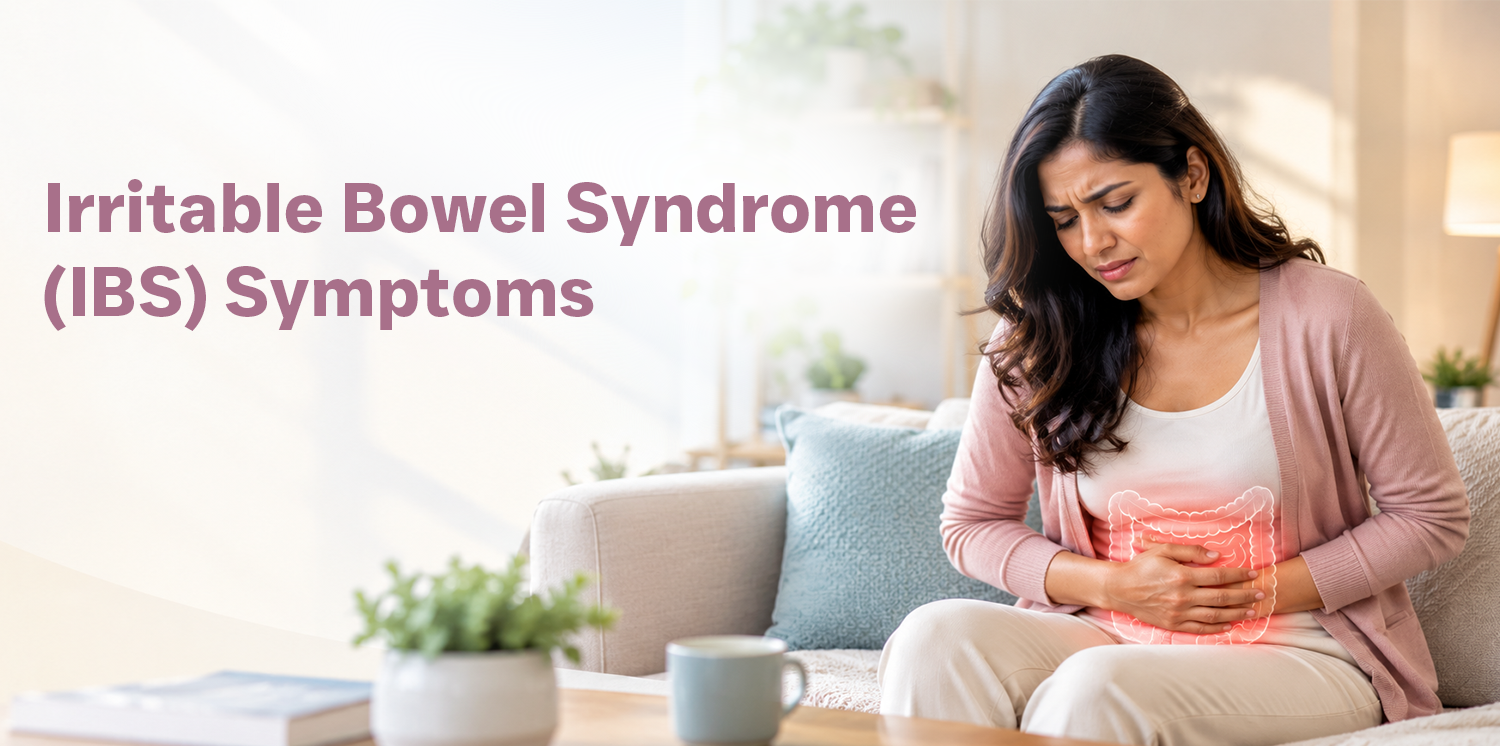
The symptoms of irritable bowel syndrome (IBS) include recurring abdominal pain or cramps, changes in bowel habits, bloating and gas. These symptoms may come and go, worsen after eating certain foods or during periods of stress, and often improve after passing stool.
If you frequently experience stomach pain, bloating or the urge to use the toilet, you may wonder whether the cause is serious. This article explains the common symptoms of irritable bowel syndrome, what triggers them, which warning signs need medical attention and when to consult a doctor.
What Is Irritable Bowel Syndrome (IBS)?
Irritable bowel syndrome is a common digestive disorder that affects how the intestines function. It does not usually cause visible damage to the bowel, but it can affect digestion, bowel movements and the way the gut responds to normal digestive activity.
In people with IBS, the muscles of the intestine may contract differently, and the nerves in the gut may become more sensitive. This can lead to abdominal pain, gas, bloating and changes in stool consistency. Routine scans or endoscopy may appear normal, so doctors assess the pattern of symptoms and may perform tests to rule out other conditions.
IBS is commonly classified into three types:
- IBS with constipation (IBS-C): Hard stools, straining and infrequent bowel movements.
- IBS with diarrhea (IBS-D): Frequent, loose or watery stools.
- Mixed IBS (IBS-M): Alternating episodes of constipation and diarrhea.
IBS can affect people of different ages, although symptoms often begin in early adulthood and are reported more frequently by women.
Is IBS a Disease?
Doctors describe IBS as a functional gastrointestinal disorder because it affects how the gut works without necessarily causing visible structural damage. However, its symptoms are real and can interfere with daily activities, meals, travel, work and sleep.
IBS does not typically damage the bowel or develop into bowel cancer. Although it is often a long-term condition, many people can manage their symptoms through dietary changes, stress management, lifestyle adjustments and medication recommended by a doctor.
Common Symptoms of IBS
The symptoms of irritable bowel syndrome vary from person to person. Doctors generally assess recurring abdominal pain alongside changes in bowel movements and stool appearance. Under commonly used diagnostic criteria, symptoms typically occur over several months.
1. Abdominal Pain or Cramps
Abdominal pain is one of the main symptoms of IBS. It may feel like cramping, aching or sharp discomfort, often in the lower abdomen. The pain may worsen after eating and improve after passing stool, although this pattern varies between individuals.
Some people experience a dull ache, while others have sudden cramps that interrupt their daily activities.
2. Bloating and Gas
The abdomen may feel tight, full or swollen, particularly later in the day. People with IBS may also experience increased gas or burping. Clothing can feel tighter around the waist even when body weight has not changed.
3. Diarrhea
IBS-related diarrhea involves loose or watery stools, sometimes accompanied by a sudden and urgent need to use the toilet. Symptoms may occur in the morning or after meals and can make travelling or leaving home uncomfortable.
Diarrhea that repeatedly wakes someone from sleep should be assessed by a doctor rather than automatically attributed to IBS.
4. Constipation
Constipation can cause hard, dry or lumpy stools, straining and difficulty passing stool. Some people have fewer than three bowel movements per week or feel that their bowel has not emptied completely.
5. Alternating Diarrhea and Constipation
People with mixed IBS may experience diarrhea for several days, followed by constipation. These changes can make bowel habits unpredictable.
6. Mucus in Stool
Some people with IBS notice clear or whitish mucus in their stool. However, blood in the stool is not a typical IBS symptom and requires medical assessment.
7. Feeling of Incomplete Emptying
Even after passing stool, a person may feel that the bowel has not emptied completely. This sensation can lead to repeated trips to the toilet.
IBS symptoms often come and go. A person may feel well for weeks before experiencing another flare-up. Stress, certain foods, poor sleep and gastrointestinal infections can contribute to symptom flare-ups.
Other Symptoms Linked to IBS
Some people with IBS also experience symptoms outside the digestive system, including:
- Tiredness or fatigue
- Nausea
- Backache
- Urinary urgency or increased frequency
- Poor sleep
- Anxiety or low mood
These symptoms can occur alongside IBS but do not confirm the diagnosis. Other medical conditions can cause similar problems, so it is important to discuss all symptoms with a doctor.
Poor sleep and stress may worsen digestive discomfort, while frequent abdominal pain and changes in bowel habits can also affect sleep and emotional well-being.
What Triggers IBS Symptoms?
IBS triggers differ from person to person. Common factors include:
- Food: Onions, garlic, beans, lentils, wheat, milk, artificial sweeteners and spicy or oily foods may trigger symptoms in some people.
- Caffeine and alcohol: Tea, coffee and alcoholic drinks can worsen symptoms in certain individuals.
- Stress and anxiety: Communication between the brain and gut can influence intestinal movement and pain sensitivity.
- Hormonal changes: Some women notice worsening symptoms around menstruation.
- Stomach infections: IBS symptoms may develop after food poisoning or another gastrointestinal infection.
- Poor sleep and irregular routines: Inconsistent meals and inadequate sleep may contribute to flare-ups.
Keeping a food and symptom diary for two weeks can help identify possible triggers. Avoid eliminating multiple food groups without professional guidance, as this may lead to nutritional deficiencies. A dietician in Navi Mumbai can help create a balanced eating plan that addresses individual triggers while meeting nutritional needs.
Warning Signs: When Symptoms May Not Be IBS
Certain symptoms are not typical of IBS and may indicate another condition that needs medical attention. Consult a doctor promptly if you experience:
- Blood in your stool or black, tarry stools
- Unexplained weight loss
- Fever
- Repeated vomiting
- Abdominal pain or diarrhea that wakes you at night
- Pale skin, breathlessness or persistent weakness that may indicate anemia
- A lump or hard swelling in your abdomen
- New or persistent bowel changes, particularly at an older age
- A family history of bowel cancer, celiac disease or inflammatory bowel disease
These warning signs should not be dismissed as IBS, even if you have previously received the diagnosis. A gastroenterology hospital in Navi Mumbai can evaluate symptoms and recommend appropriate investigations, such as blood tests, stool tests or a colonoscopy when indicated.
Seek urgent medical attention for severe or rapidly worsening abdominal pain, significant bleeding, or signs of dehydration.
When to See a Doctor
If your symptoms continue for several weeks, repeatedly return or interfere with everyday life, arrange a medical appointment. You should also seek advice about a persistent change in bowel habits rather than relying on medicines without knowing the cause.
Your doctor may review your symptoms, examine your abdomen and recommend tests to rule out other digestive conditions. There is no single test that confirms every case of IBS, so your medical history and symptom pattern are important.
A gastroenterologist in Navi Mumbai can assess your symptoms and develop a treatment plan suited to your needs. Bring your food and symptom diary, along with a list of any medicines or supplements you take.
Treatment may include dietary adjustments, stress management, regular physical activity and medication to manage pain, diarrhea or constipation. The appropriate approach depends on the type and severity of symptoms.
Conclusion
The symptoms of irritable bowel syndrome can be uncomfortable and unpredictable, but IBS can often be managed with the right diagnosis and treatment plan. Recognising your symptoms, identifying possible triggers and maintaining healthy sleep and eating routines may help reduce flare-ups.
Do not assume that bleeding, unexplained weight loss, fever or nighttime symptoms are caused by IBS. Seek medical advice when warning signs appear or symptoms persist. With appropriate care, many people with IBS can improve their comfort and quality of life.
FAQs
1. What are the first symptoms of IBS?
Common symptoms include recurring abdominal pain or cramps, bloating and changes in bowel habits, such as diarrhea or constipation. Symptoms may worsen after meals or during stressful periods.
2. What does IBS pain feel like, and where does it occur?
IBS pain may feel like cramping, aching or sharp discomfort, often in the lower abdomen. It may improve after passing stool, although the location and severity vary.
3. Can IBS symptoms come and go?
Yes. IBS symptoms often fluctuate, with periods of relief followed by flare-ups. Food choices, stress, sleep and other factors may influence their frequency and severity.
4. Is IBS dangerous or a serious disease?
IBS does not usually damage the bowel or develop into cancer, but it can affect quality of life. Symptoms such as blood in the stool, fever or unexplained weight loss require medical evaluation.
5. How long does an IBS flare-up last?
A flare-up may last a few days or longer. Its duration varies from person to person. Consult a doctor if symptoms persist, worsen or interfere with daily activities.
6. How is IBS different from acidity or IBD?
Acidity commonly causes a burning sensation in the upper abdomen or chest, sometimes with a sour taste. Inflammatory bowel disease (IBD) causes inflammation in the digestive tract and may involve bleeding, weight loss or fever. IBS affects gut function and does not typically cause intestinal inflammation or damage. A doctor can help distinguish between these conditions.