
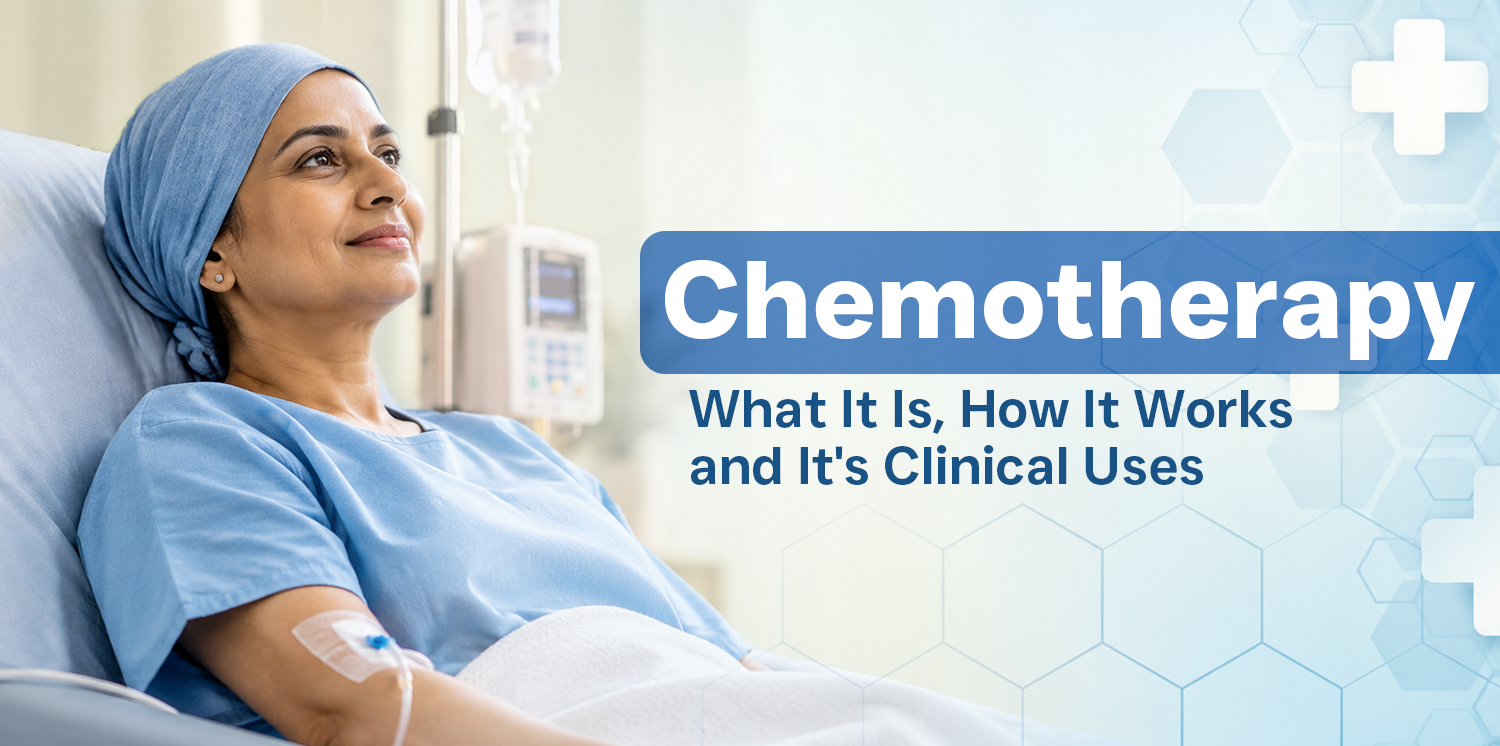
Your oncologist mentions the word ‘chemotherapy’, and a whole host of questions immediately follow. Will it hurt? Will you lose your hair? How will you manage work and daily activities during treatment?
Chemotherapy is one of the commonly used treatments for cancer. It uses medicines to destroy cancer cells, slow their growth, or prevent them from spreading. Although treatment can cause side effects, modern oncology care includes several ways to manage them and support patients throughout the treatment process.
This guide explains what chemotherapy is, how it works, why it is used, how treatment is administered, and how medical teams manage its side effects. If you or a family member needs cancer treatment or medical advice, consult specialists at a cancer hospital in Navi Mumbai.
What Is Chemotherapy?
Chemotherapy is a cancer treatment that uses medicines to destroy cancer cells or stop them from growing and multiplying. These medicines can travel through the bloodstream and reach cancer cells in different parts of the body.
Chemotherapy may be used alone or alongside other treatments, including surgery, radiation therapy, targeted therapy, and immunotherapy. It is commonly called chemo, and a planned course of treatment is referred to as chemotherapy treatment.
So, what is chemotherapy treatment? It involves administering specific medicines according to a planned schedule. The medicines, doses, and duration depend on the type of cancer, its stage, and the patient’s overall health.
Cancer treatment commonly involves surgery, radiotherapy, and systemic therapies. Chemotherapy is one form of systemic treatment because it can act throughout the body rather than targeting only one specific area.
How Does Chemotherapy Work?
Cancer cells grow and divide uncontrollably. Many chemotherapy medicines work by interfering with the processes that allow these cells to grow, repair themselves, or multiply.
Different chemotherapy medicines work in different ways.
- Damaging DNA: Some medicines damage the genetic material inside cancer cells, preventing them from multiplying and eventually causing cell death.
- Blocking building blocks: Certain medicines interfere with the substances required to make DNA, preventing cancer cells from completing the process of cell division.
- Stopping cell division: Other medicines interfere with the structures responsible for separating one cell into two new cells.
Chemotherapy can also affect healthy cells that divide rapidly. These include cells in hair follicles, the lining of the mouth and digestive tract, and blood-forming cells in the bone marrow.
Damage to these healthy cells explains why patients may experience side effects such as hair loss, mouth ulcers, nausea, and reduced blood cell counts.
Doctors sometimes combine different chemotherapy medicines because they work through different mechanisms and may improve treatment effectiveness.
Why Is Chemotherapy Done?
Doctors recommend chemotherapy for different reasons depending on the cancer type, stage, and treatment goals.
It may be used to cure cancer, control its growth, reduce the risk of recurrence, or relieve symptoms caused by advanced disease.
The main uses of chemotherapy include:
- Cure: In certain cancers, including some leukaemias and lymphomas, chemotherapy may be used with the aim of eliminating cancer cells.
- Control: Chemotherapy can slow cancer growth and help control the disease for a longer period.
- Before surgery or radiation (neoadjuvant therapy): It may shrink a tumour before surgery or radiation treatment, potentially making subsequent treatment more effective.
- After surgery (adjuvant therapy): It helps destroy remaining microscopic cancer cells that may not be visible on scans, reducing the risk of recurrence in selected patients.
- With radiation (chemoradiation): Certain chemotherapy medicines make cancer cells more sensitive to radiation, improving the effectiveness of combined treatment. The radiation component is delivered through radiation oncology services in Navi Mumbai.
- Symptom relief (palliative treatment): Chemotherapy may shrink tumours that cause pain, breathing difficulties, or other symptoms in people with advanced cancer.
1. Oncological Uses of Cancer Chemotherapy
Chemotherapy plays different roles in the treatment of various cancers. Doctors select the treatment approach according to the cancer type, stage, and individual patient requirements.
| Cancer type | Common role of chemotherapy |
|---|---|
| Leukaemia and lymphoma | Often a main treatment, sometimes with the aim of achieving a cure |
| Breast cancer | May be given before or after surgery, depending on the cancer type and stage |
| Colon cancer | May be recommended after surgery in certain stages to reduce recurrence risk |
| Lung cancer | May be used alone or alongside radiation, surgery, or other medicines |
Chemotherapy by Stage of Cancer
The role of chemotherapy also varies according to how far the cancer has progressed.
| Cancer stage | How doctors may use chemotherapy |
|---|---|
| Early-stage cancer | May be recommended after surgery to reduce the risk of recurrence in selected cases |
| Locally advanced cancer | May be given before surgery or alongside radiation therapy |
| Advanced or metastatic cancer | May be used to control disease progression, reduce tumour size, and relieve symptoms |
Not every patient requires chemotherapy at every stage. The treatment plan depends on the specific cancer diagnosis and other medical factors.
2. Non-Cancer Medical Uses of Chemotherapy Drugs
Some medicines traditionally classified as chemotherapy drugs are also used to treat certain non-cancer conditions. Their doses and treatment schedules may differ significantly from cancer treatment.
Examples include:
- Methotrexate: Used in lower doses to manage autoimmune conditions such as rheumatoid arthritis and psoriasis. It may also be used in selected cases of ectopic pregnancy under specialist supervision.
- Cyclophosphamide: Used in certain severe autoimmune conditions, including selected cases of lupus, because of its immune-suppressing effects.
- Hydroxyurea: Used to manage sickle cell disease by increasing fetal haemoglobin and reducing certain complications.
- Stem cell transplant preparation: High-dose chemotherapy may be used before certain stem cell transplants to destroy diseased cells and prepare the body to receive healthy stem cells.
These treatments require specialist supervision because the medicines can affect different organs and body systems.
How Is Chemotherapy Treatment Done?
Chemotherapy can be administered in different ways depending on the medicine, cancer type, and treatment plan.
It may be given as tablets, intravenous infusions, injections, or directly into specific body areas.
Most chemotherapy treatments are organised into cycles. Each cycle includes a treatment period followed by a recovery period that allows healthy cells to recover.
Common methods of administering chemotherapy include:
- IV infusion: A nurse administers the medicine through a vein. Depending on the treatment, a regular intravenous line, an implanted port under the skin, or a PICC line may be used. The infusion can take anywhere from several minutes to several hours.
- Tablets or capsules: Certain chemotherapy medicines are taken orally at home according to a specific schedule.
- Injections: Some medicines are administered through injections under the skin or into a muscle.
- Direct delivery: In selected cancers, chemotherapy may be delivered directly into the cerebrospinal fluid, abdominal cavity, or bladder.
- Treatment cycles: A cycle may involve one or more days of treatment followed by a recovery period. Blood tests are often performed before each cycle to check whether the body is ready for the next treatment.
The oncologist decides the medicines, doses, and treatment schedule according to the patient’s medical condition and response to treatment.
What to Expect Before, During, and After a Chemotherapy Session
Chemotherapy involves several steps to ensure that treatment is administered safely. Patients are monitored before, during, and after each session.
Before treatment begins, the medical team reviews blood test results, medications, and the treatment plan. During the session, nurses administer the prescribed medicines and monitor the patient for possible reactions.
Most chemotherapy sessions are performed on an outpatient basis, although some patients may require hospital admission.
Before Chemotherapy
- Blood tests and scans: These help assess blood cell counts and kidney and liver function before treatment.
- Dental and fertility assessment: A doctor may recommend a dental examination or fertility preservation discussion before starting certain treatments.
- Treatment planning: Patients should follow instructions regarding food, fluids, and medication before their session.
- Preparation: Carrying water, a light snack if permitted, and essential personal items may make longer sessions more comfortable. Having someone accompany the patient during the first session can also be helpful.
During Chemotherapy
- Needle insertion: Patients may feel a brief prick when an IV line or needle is inserted. The chemotherapy infusion itself should not cause pain.
- Monitoring: Nurses monitor patients for possible infusion reactions.
- Infusion reactions: Itching, chills, swelling, dizziness, or breathing difficulties should be reported to the medical team immediately.
After Chemotherapy
- Rest and fluids: Patients should follow their doctor’s advice regarding hydration and rest.
- Medication: Anti-nausea medicines and other prescribed medications should be taken according to instructions.
- Temperature monitoring: A temperature of 38°C (100.4°F) or higher during chemotherapy may indicate a serious infection. Contact the oncology team immediately or follow their emergency instructions.
- Handling body fluids: Some chemotherapy medicines may remain in urine, stool, vomit, and other body fluids for a period after treatment. Follow the hospital’s specific safety instructions for toilet use, cleaning, and laundry.
The medical team provides individual instructions based on the medicines used and the patient’s condition.
Side Effects of Chemotherapy and How Modern Oncology Manages Them
Chemotherapy can affect healthy cells as well as cancer cells. This is why some patients experience side effects during or after treatment.
Common side effects include fatigue, nausea, hair loss, mouth ulcers, low blood cell counts, and digestive problems.
However, side effects vary depending on the medicines, doses, treatment duration, and individual health. Many can be managed through medication, nutritional support, and regular medical monitoring.
| Side effect | Why it happens | How the medical team manages it |
|---|---|---|
| Nausea and vomiting | Some medicines affect the digestive system and the brain’s vomiting centre | Anti-nausea medicines, small frequent meals, and hydration |
| Hair loss | Chemotherapy may affect rapidly dividing hair follicle cells | Gentle hair care, soft brushes, caps, and scarves |
| Fatigue | Anaemia, treatment effects, and poor sleep can contribute | Rest, light activity when appropriate, and treatment of anaemia |
| Low white blood cells and infection | Chemotherapy may reduce blood cell production in the bone marrow | Blood tests, medicines to support white blood cell production when needed, and prompt infection treatment |
| Mouth sores | The medicines may damage the lining of the mouth | Gentle oral hygiene, prescribed mouth rinses, and avoiding irritating foods |
| Diarrhoea or constipation | Chemotherapy can affect normal digestive function | Fluids, medicines, and dietary adjustments |
| Numbness or tingling in hands and feet | Certain medicines can affect peripheral nerves | Early reporting, symptom management, and possible dose adjustments |
What to Eat During Chemotherapy?
Nutrition is an important part of cancer treatment and recovery. Patients may experience changes in appetite, taste, digestion, and food tolerance during chemotherapy.
Small, frequent meals may be easier to manage than large meals.
Common food options include:
- Soft foods: Khichdi, dal chawal, curd rice, and well-cooked vegetables may be easier to eat when appetite is low.
- Protein-rich foods: Dal, eggs, paneer, and other suitable protein sources help support the body’s nutritional needs.
- Soups: Well-cooked vegetable or chicken soups can provide fluids and nutrients.
- Hydration: Safe drinking water and other suitable fluids can help maintain hydration.
Patients with low blood counts or weakened immunity may need additional food safety precautions. Raw or undercooked foods, unpasteurised dairy products, and food from unhygienic sources may increase infection risks.
A hospital dietitian can recommend a suitable eating plan based on treatment, blood counts, nutritional needs, and food tolerance.
Chemotherapy: Myth vs Fact
Several misconceptions about chemotherapy can create unnecessary anxiety among patients and their families.
| Myth | Fact |
|---|---|
| Chemotherapy always causes hair loss and severe vomiting. | Side effects depend on the medicines used. Some cause little or no hair loss, and anti-nausea medicines can help control vomiting. |
| Severe side effects mean chemotherapy is working. | Side effects do not indicate treatment effectiveness. Doctors use scans, blood tests, and other assessments to evaluate the response. |
| Chemotherapy is always painful. | The infusion itself is generally not painful, although needle insertion and certain side effects may cause discomfort. |
Chemotherapy and Comprehensive Medical Oncology Care at Kokilaben Dhirubhai Ambani Hospital
Patients diagnosed with cancer or advised to undergo chemotherapy should consult a medical oncologist to understand their treatment options.
Medical oncology involves cancer diagnosis, treatment planning, chemotherapy administration, side-effect management, and follow-up care.
At Kokilaben Dhirubhai Ambani Hospital in Navi Mumbai, the Medical Oncology Department provides specialised care for patients with different types of cancer.
The medical oncology team evaluates the cancer type, stage, and overall health of the patient before recommending a suitable treatment approach. Treatment may involve chemotherapy, targeted therapy, immunotherapy, hormonal therapy, or a combination of these options.
Patients may also receive coordinated care from radiation oncologists, surgical oncologists, and other specialists when required.
If you or a family member is preparing for chemotherapy, consulting a medical oncologist can help clarify the treatment schedule, expected benefits, possible side effects, and supportive care requirements.
Conclusion
Chemotherapy is an important cancer treatment that helps destroy cancer cells, control tumour growth, and relieve symptoms in selected patients. It can also be used in combination with surgery, radiation therapy, and other cancer treatments.
Although chemotherapy can cause side effects because it also affects certain healthy cells, modern oncology care includes medicines, nutritional support, and regular monitoring to help manage these effects.
Every patient’s treatment plan is different. Consulting a medical oncologist helps patients understand their options, prepare for treatment, and receive appropriate care throughout the treatment journey.
Frequently Asked Questions
1. What Happens After Chemotherapy Is Finished?
After chemotherapy is completed, patients attend follow-up appointments, blood tests, and imaging scans to evaluate the treatment response. Some side effects improve over the following weeks or months, although fatigue and certain other effects may last longer.
2. Is Chemotherapy Painful?
The chemotherapy infusion itself is generally not painful, although patients may feel discomfort during needle insertion. Some side effects, such as mouth sores, digestive problems, or nerve-related tingling, can cause discomfort and may require medical treatment.
3. How Long Does Chemotherapy Stay in Your Body?
The time chemotherapy medicines remain in the body varies according to the drug, dose, and individual kidney and liver function. Some medicines are eliminated within hours or days, while others take longer. Their effects on healthy cells may continue after the medicines have been cleared.
4. How Long Can a Person Stay on Chemotherapy?
Many chemotherapy treatment plans last several months and involve multiple cycles. The duration depends on the cancer type, treatment goal, response to medication, and the patient’s ability to tolerate the treatment.
5. What Is the Success Rate of Chemotherapy?
There is no single success rate for chemotherapy because its effectiveness varies according to cancer type, stage, treatment medicines, and overall patient health. An oncologist can explain the expected benefits and treatment outcomes for an individual diagnosis.
6. What Should You Eat During Chemotherapy?
Patients may benefit from small, frequent meals containing soft foods such as khichdi, dal chawal, curd rice, and soups. Protein sources such as dal, eggs, and paneer can also support nutritional needs. Food safety and hydration are important throughout treatment.
7. What Are Good Signs That Chemotherapy Is Working?
A reduction in tumour size on scans, improvements in certain blood markers, and relief from cancer-related symptoms may indicate a positive treatment response. However, side effects do not show whether chemotherapy is working. Doctors use appropriate tests and clinical assessments to evaluate effectiveness.
8. What Organ Is Most Affected by Chemotherapy?
The effects depend on the chemotherapy medicines used. Commonly affected tissues include the bone marrow, digestive tract lining, mouth, and hair follicles. Certain medicines may also affect the heart, kidneys, lungs, or nerves, which is why regular monitoring is important.
9. At What Stage of Cancer Is Chemotherapy Used?
Chemotherapy can be used at different cancer stages depending on the diagnosis and treatment goals. It may be given after surgery for early-stage cancer, before surgery or alongside radiation for locally advanced cancer, or to control disease and relieve symptoms in advanced cancer.
10. Is Chemotherapy 100% Successful?
No cancer treatment is guaranteed to be 100% successful. Chemotherapy can be highly effective for certain cancers, while its effectiveness varies for others. The oncologist will explain the likely benefits, limitations, and expected outcomes based on the patient’s condition.